
Among the professional positions most sought after by companies are those belonging to the large range of technical IT figures. The search for these professionals, in just a few years, has grown to such an extent that graduates are not enough to cover all the open positions. According to estimates, the number of graduates would be about 100,000 less than those needed to cover the Italian cybersecurity market alone. At the Politecnico, around 400 students graduate with a Laurea Magistrale (equivalent to Master of Science) degree in IT each year and 97% of them already have a stable employment contract within 12 months of graduation, and over 70%, within a month.
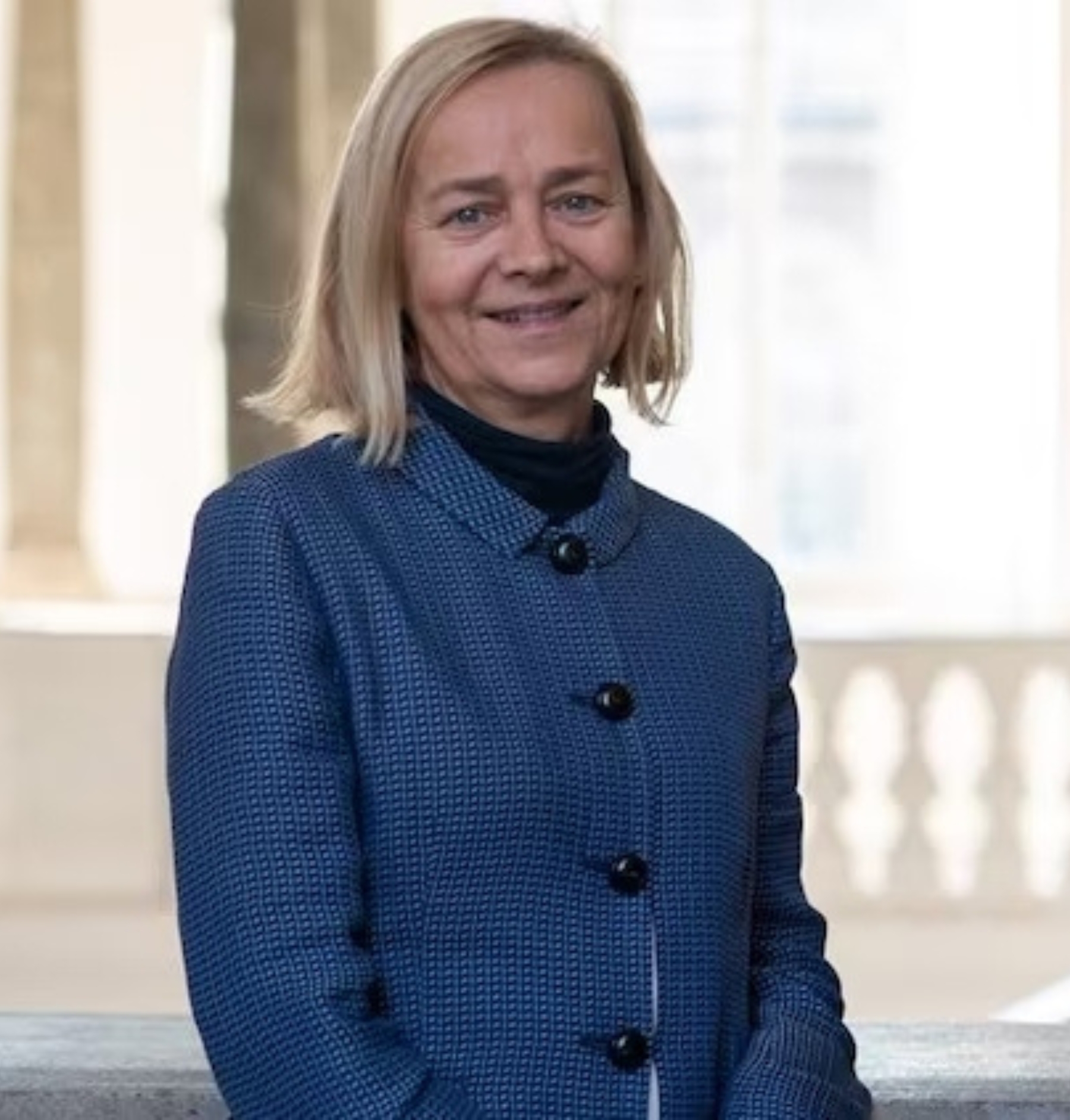
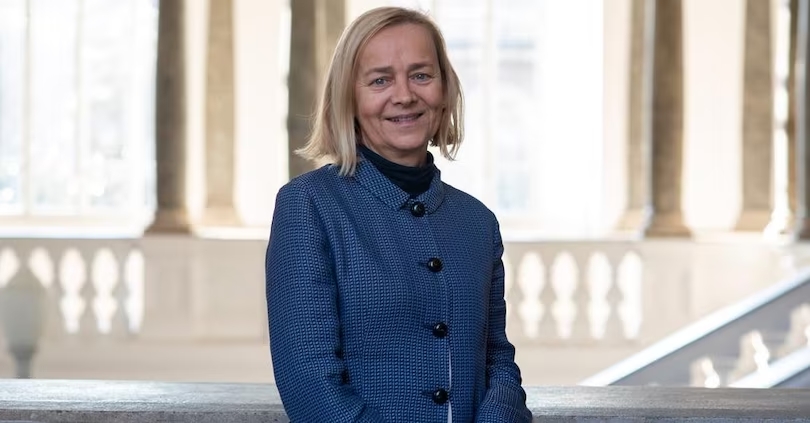
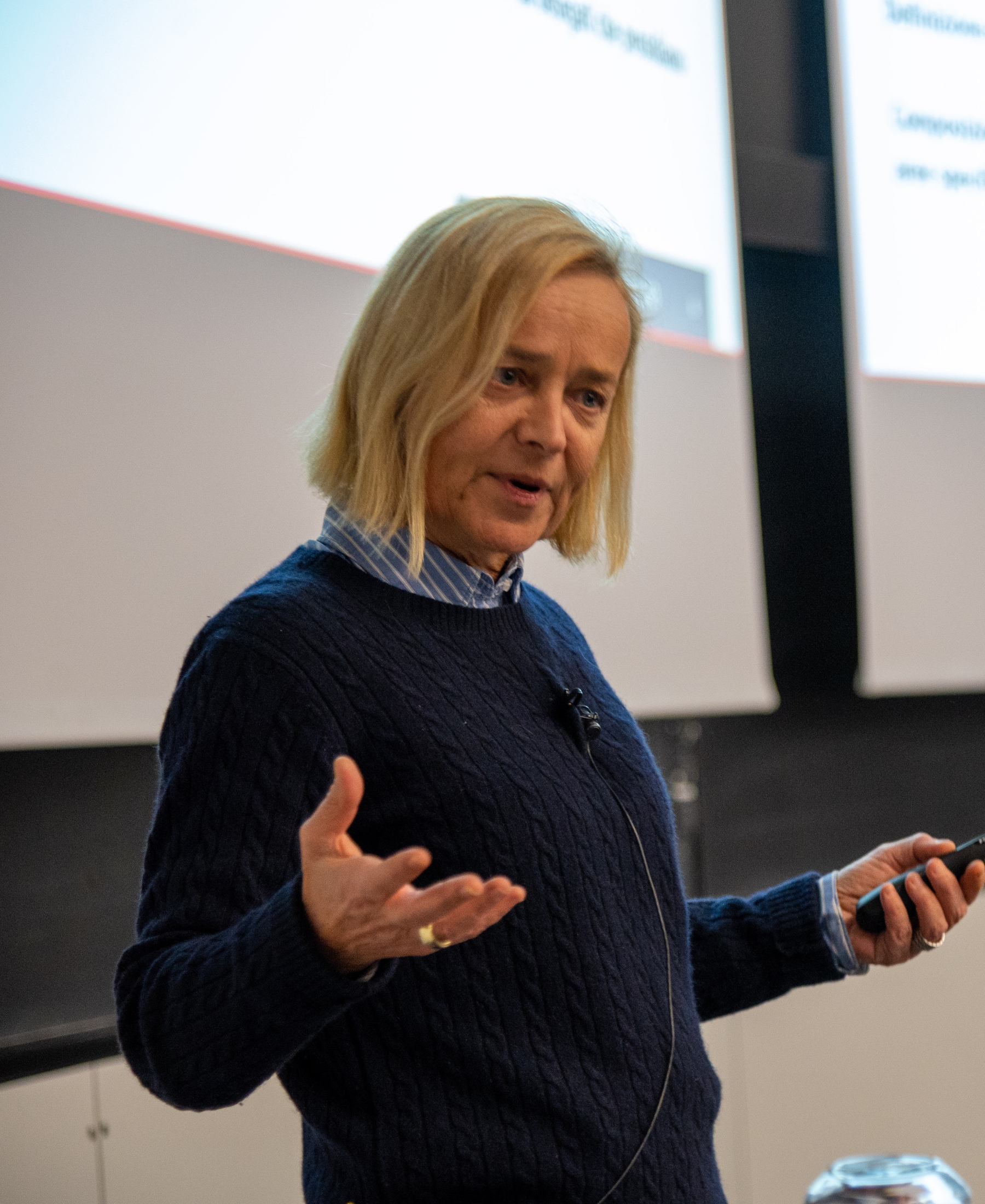
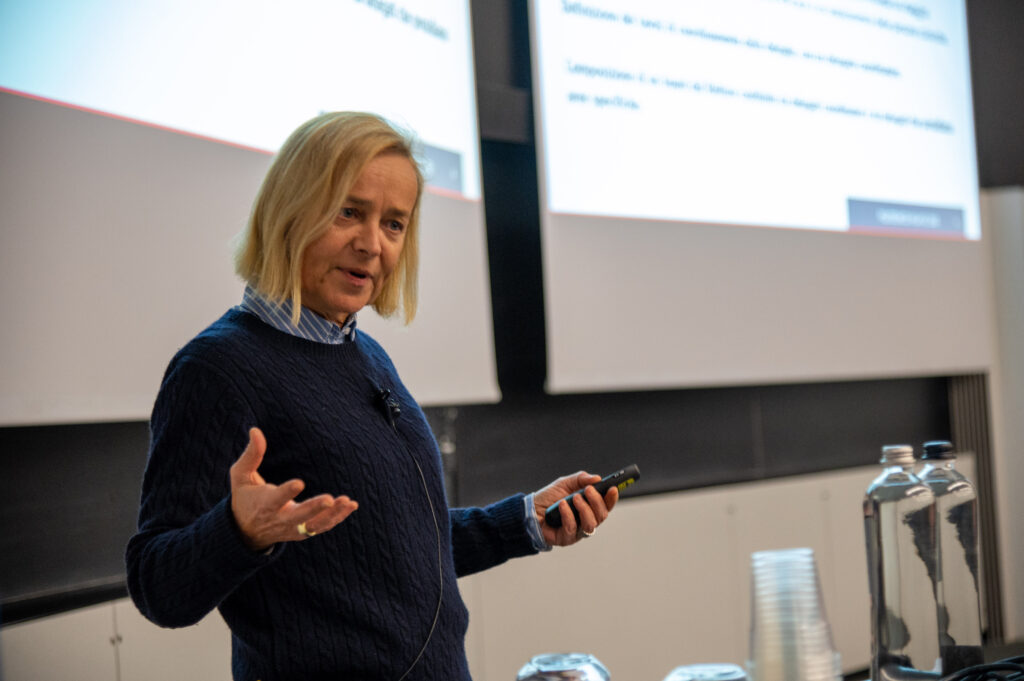
But which are the most specialised and hard-to-find positions? The Rector Prof. Donatella Sciuto discusses it in an interview with Il Sole 24 Ore: "In the world of cybersecurity, for example, there is a need for positions such as penetration testers, whose job is to try to attack systems to test their resilience. In the field of training there is a national project, the Cyber Challenge, a programme for young people aged 16 to 24, which aims to identify and attract the next generation of cybersecurity professionals, also in collaboration with universities. As the Politecnico di Milano we take part by selecting the best young people to join the national cybersecurity team. And the mHackeroni, Italy's national team of ethical hackers, placed fifth in Las Vegas at the cybersecurity world championships”.
Credits: Sole24ore
Fundamental at this point is the relationship between universities and businesses, a key relationship for building skills:
"Companies demand ready-made profiles. In the cybersecurity field, it is very difficult to complete classroom and lab training; therefore, we need to structure partnerships with companies to train individuals".
Then there is the issue of the relationship between professions and artificial intelligence, a topic that is increasingly topical and less immediate than one might think. Rector Sciuto states, “the role of a data analyst requires a lot of statistical and IT skills and application expertise. They are in great demand and will continue to be in great demand as they help assess AI and machine learning systems themselves. That is, we need to check that the data is not biased, but, instead, is representative”.
Questa è la storia di due ingegneri e Alumni del Politecnico di Milano che sono diventati prima ricercatori e poi imprenditori. Camilla Conti ha studiato ingegneria energetica, Lorenzo Agostini ingegneria meccanica. Le loro strade si sono incrociate durante un semestre di scambio in Canada. Rientrati in Italia, si sono laureati e hanno scelto percorsi diversi: lei ha proseguito al Poli dopo un breve periodo in una multinazionale, prima con un dottorato in ing. energetica ed aerospaziale e adesso come ricercatrice post-doc, lui ha lavorato in azienda due anni prima di proseguire con un dottorato in emerging digital technologies alla scuola Superiore Sant’Anna di Pisa; successivamente è diventato ricercatore (Assistant Professor) all’Università di Bologna, dove ha svolto l’attività di ricerca su trasduttori elettro-meccanici basati sul fenomeno fisico dell’elettrostaticità nel contesto del laboratorio SAIMA (Sensori e Attuatori Innovativi per il Manifatturiero Avanzato) congiunto con l’Istituto STIIMA del Consiglio Nazionale delle Ricerche.
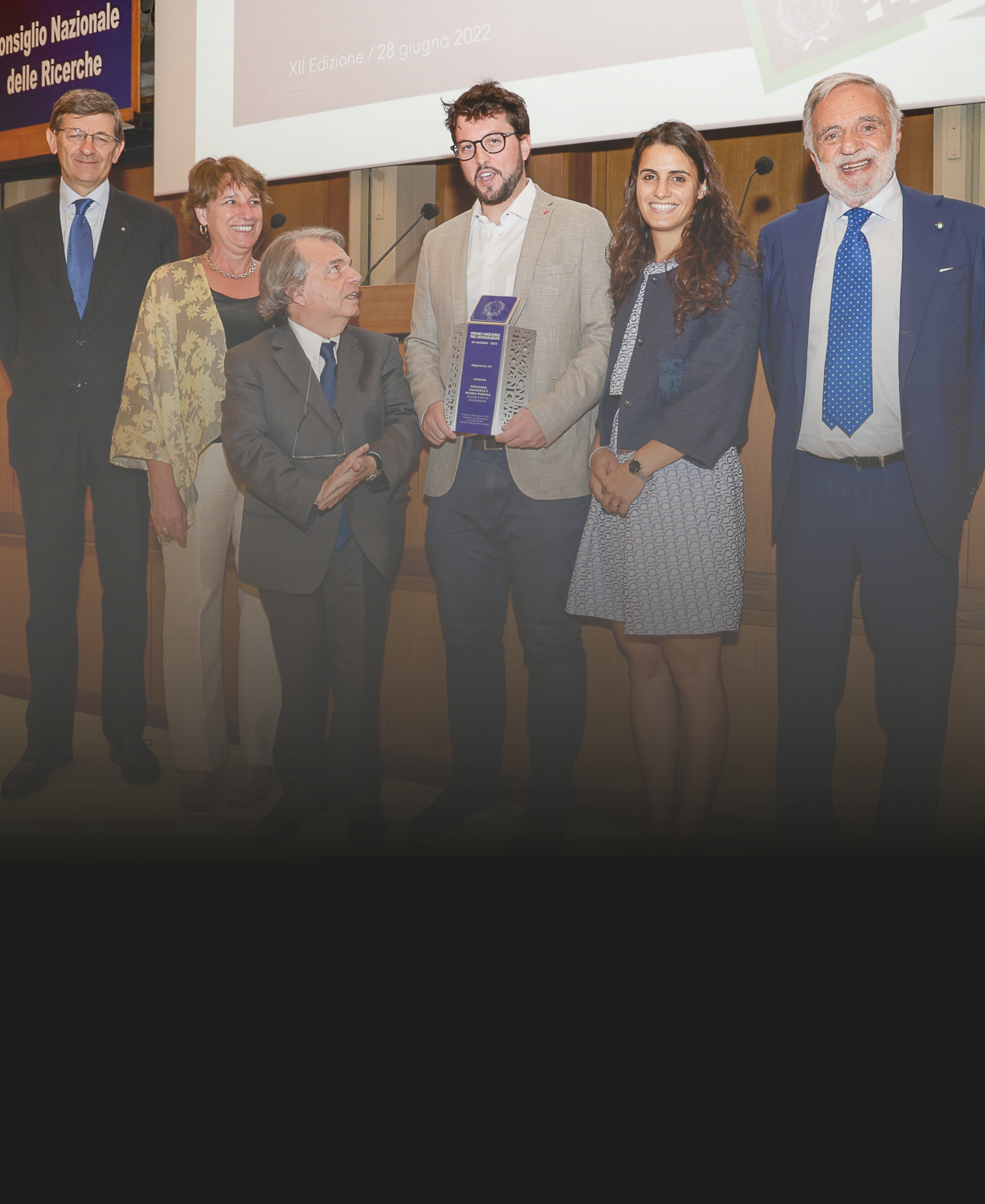
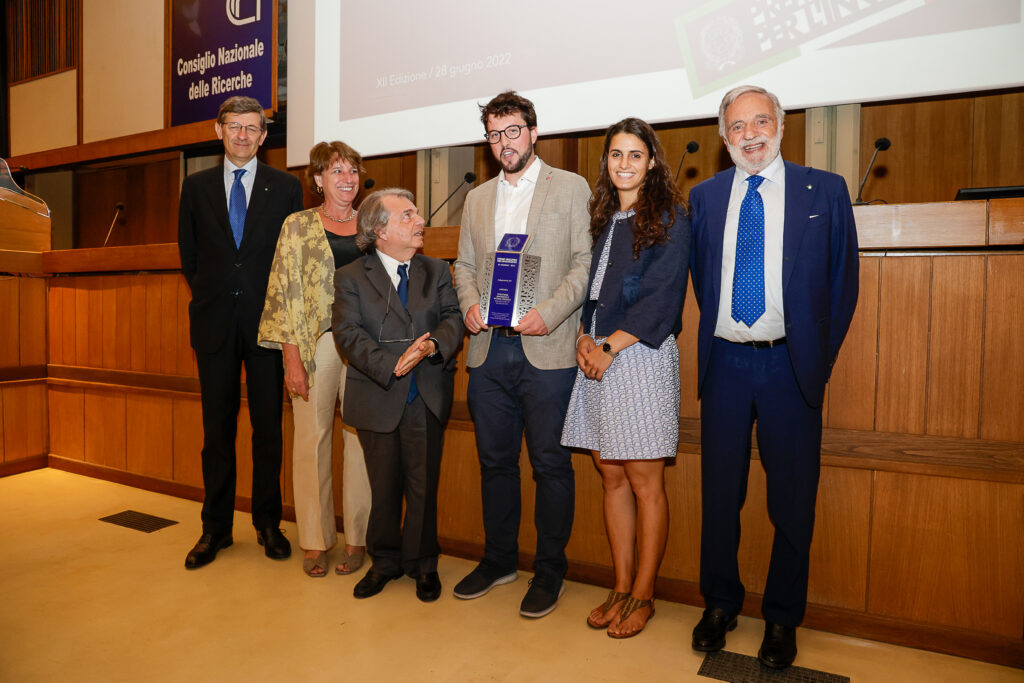
From this research, a new technology to produce adaptive mechatronic devices was born. In May 2022, Agostini and Conti, together with prof. Rocco Vertechy (UniBo), supervisor di post-doc di Agostini, hanno fondato una startup: Adaptronics, nata ufficialmente dopo un anno di lavoro sul business model, e basata sulle competenze maturate in quasi 10 anni di ricerca combinati.
(credits: Adaptronics)
FROM A BALLOON TO TECHNOLOGY…
Their invention makes use of the well-known principle of electro-adhesion: the same as when you rub a balloon on your hair and it sticks to it. “During my PhD,” Agostini explains, “I worked with a research group that dealt with the development of elastomer-based electro-mechanical transducers, i.e., systems that can be deformed like rubbers and which, when stimulated with electricity, produce a mechanical action. This technology can be used to create an artificial muscle that is as soft as a natural one but stiffens when stimulated electrically, for example”.
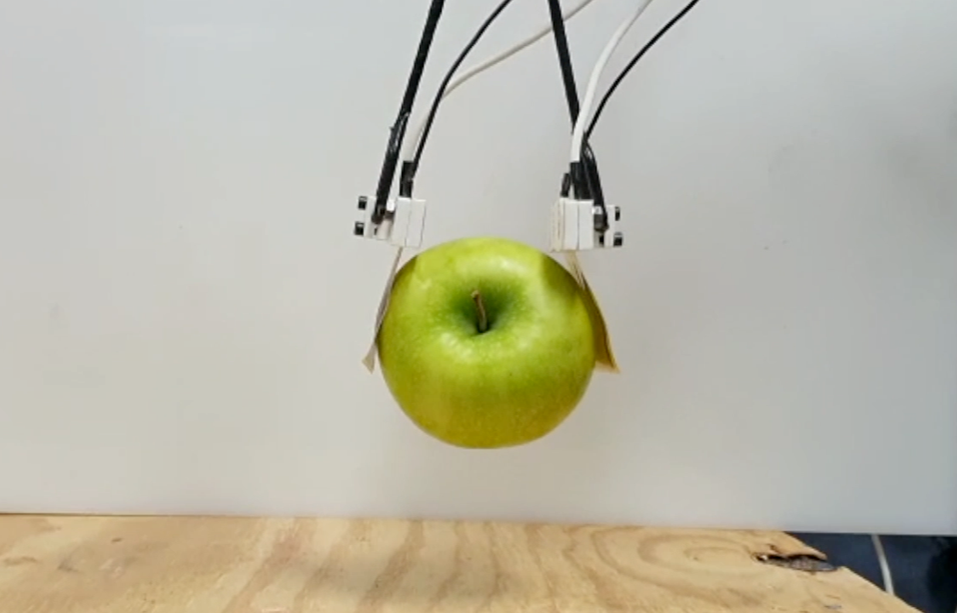
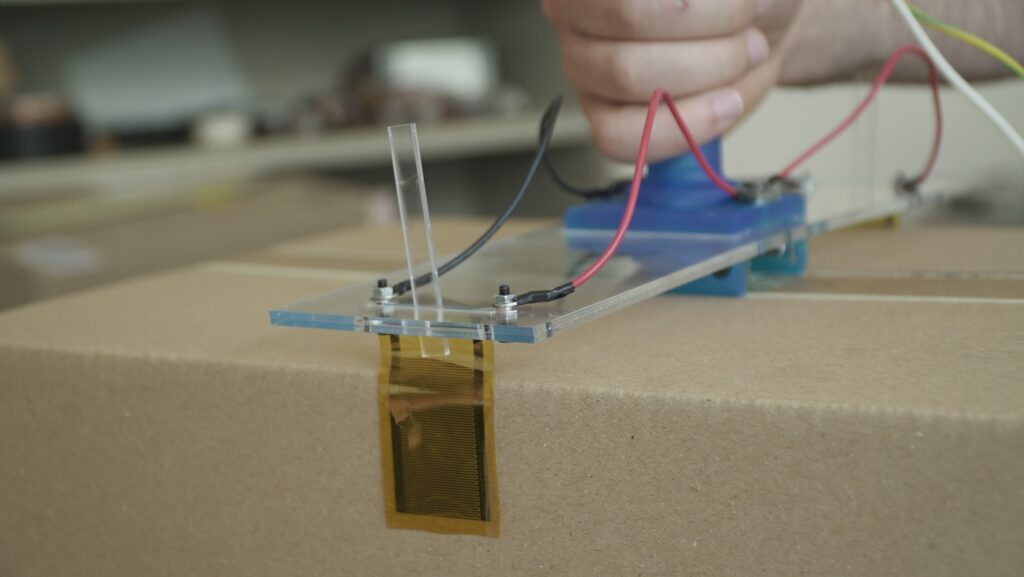
Adaptronics' innovation lies in having been able to evolve this technological basis to develop a special film made of polymeric materials, which allows an electro-adhesive effect to be controlled and obtained: the result is a film less than 0.5 mm thick, which becomes adhesive when activated electrically. It is capable of lifting up to 50 kg with two patches the size of credit cards (of course, the greater the size, the greater the force exerted), without having to use magnetic or pneumatic effects, and with a power consumption in the range of a few watts.
credits: Adaptronics
A kind of "electronic sensor fingertip, therefore, capable of detecting contact with any target object and moving it without exerting any pressure on it that could potentially damage it: it could become an enabling technology for many applications, the founders explain, from space to industrial logistics, goods transport and agriculture (imagine picking a raspberry without having to squeeze it...).
…AND FROM THE LAB TO THE START-UP
"I always wanted to be an entrepreneur," Agostini says, "and found my own company. I chose to study engineering and do my PhD because I wanted to be one of the first in the world to work with an emerging technology”. My dreams came true, and certainly not by rubbing a magic lamp. To validate this technology, the founders and their research team worked in the lab for several years. Once they had demonstrated how it worked and verified its industrial potential, the long process of technology transfer began (if you want to find out how to becomes an 'inventor', we talked about it on MAP 10).
"Before arriving at the final form of Adaptronics, we also presented other ideas that had similar core businesses and were based on the same technology. We participated in several start-up idea competitions, (we also won several, including the StartCup, the National Innovation Award in the Industrial category, the Talentis of Confindustria Young Entrepreneurs and the EIT Jumpstarter, Ed.) These experiences also offered training courses that were useful in helping us to identify the market segment on which to focus”.
Today, Adaptronics is a start-up in its early days, consisting of five partners: Conti, Agostini, the Università di Bologna (of which it is a spin-off), Prof. Rocco Vertechy (UniBo), Agostini's post-doc supervisor, and engr. Gavino Boringhieri, a long-time manager and start-up mentor. It addresses the market for automated robotic systems for efficient and sustainable logistics: industrial automation, last-mile delivery with autonomous robots, automated fruit picking, space debris removal and in-orbit services to satellites.
credits: Adaptronics
ADAPTRONICS: ALWAYS LOOKING FOR THE NEXT STEP
The two polytechnic entrepreneurs now focus on the internationalisation strategy to access new markets and also future funding rounds. "Now is the time to invest in training an operational team of mechanical, electronic and automation engineers to support us in product development. We are looking at Europe but also at the United States: both for the greater accessibility of investment capital and for the proximity to major space programmes. For us, that is a very important market since we are also involved in the aerospace sector, which currently has enormous growth potential and great interest from investors. We can be an 'enabling technology' for on-orbit operations, which is why we are incubated in Turin by the European Space Agency's Business Incubation Centre,” Agostini concludes.
"We want to become competitive in the world and we want to make a tool that can be a standard for the industrial automation of gripping and moving objects: if we focused only on Italy, we would soon be surpassed by any Asian or American company that can develop the same product whilst borrowing money from all over the world. Our plan, however, is to keep research and development in Italy, where there is certainly no scarcity of brains and excellence, and it just has to be given an opportunity to grow."
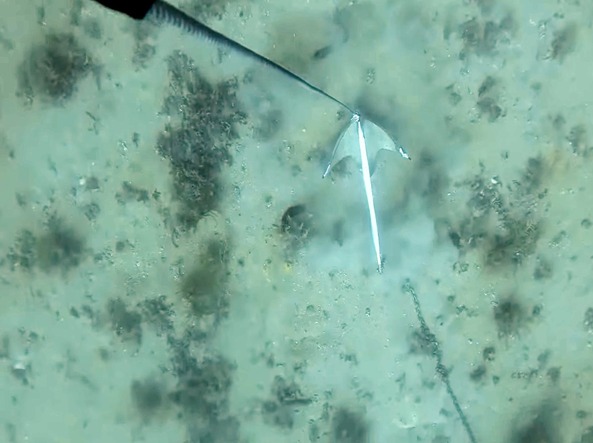
VisionAnchor is a project - and a product - developed by CEFRIEL, the centre for digital innovation at the Politecnico, with a SeaVision, a Slovenian start-up. It uses artificial intelligence and deep learning to collect data on the seabed using ship anchors: the “electronic eyes” consist of a set of buoys that are able to take photographs of the seabed during anchoring operations and communicate with the algorithm developed by CEFRIEL, which is capable of recognising the most appropriate seabed to anchor by automatically classifying the images according to certain morphological characteristics.
Its immediate commercial application, developed by SeaVision, transforms the Smart Anchoring System into a "smart anchor" capable of analysing the seabed and identifying the best place to anchor, whilst avoiding vulnerable ecosystems such as coral reefs or other points of interest. The data is transmitted to the seamen via an application that can be downloaded onto any mobile phone. The prototype has been developed with the involvement of two students from the Politecnico di Milano and the Università di Milano-Bicocca, as part of the work supported by EIT Digital, a European web community that brings together the best in digital innovation.
This technology also has other interesting potential for development, offering itself as a tool for mapping the ocean floor, of which we still know less than 20%.
"The analysis and comparison of large amounts of images is one of the opportunities offered by the application of artificial intelligence. In this particular case, the algorithm could have multiple applications related to environmental sustainability, such as the identification and mapping of wrecks or the reporting of any debris on the seabed, perhaps with the aim of improving the health of certain areas of the sea"
explains Alfonso Fuggetta, CEO and scientific director of CEFRIEL.
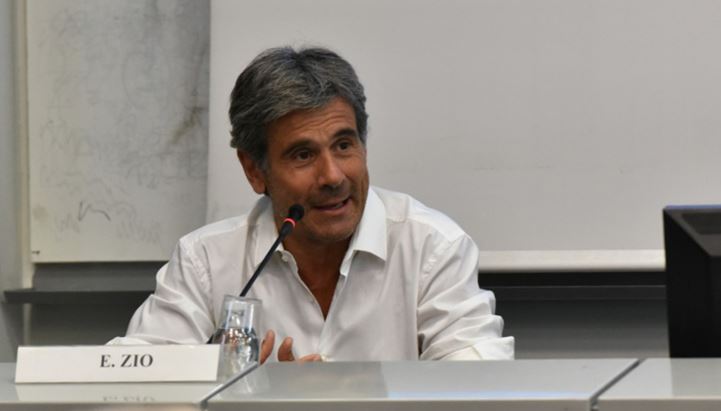
Develop data science models that apply AI to management and industrial processes so that they can contribute to the achievement of sustainability goals and have a positive impact on society. This is the core of the strategy of the newly appointed scientific director of Datrix (a group of tech companies specializing in augmented analytics and machine learning) Enrico Zio, professor of reliability, safety and risk analysis at the Politecnico di Milano and Rector’s delegate for Alumni. "In the current context characterised by multiple transitions," says Enrico Zio, "the industrial sector must base its technological development on efficient, safe and sustainable solutions and put people's well-being and the environment at the centre of the raising idea of Industry 5.0."
Datrix, a company listed on the Euronext Growth Milan specialising in the development of augmented analytics solutions and services based on artificial intelligence and machine learning models, announced the appointment of prof. Enrico Zio as the group's new Scientific Director. Zio is a leading figure on the international academic scene and has already acquired valuable experience as president and scientific director of research and development in Aramis. He is author of numerous scientific texts and more than 500 articles published in international journals; he is also chairman and vice-chairman of several international conferences, as well as associate editor and reference person of various international journals. In 2020 he received the Humboldt Research Award, one of the most prestigious international research prizes in the scientific field, and has for years been included in the World's Top 2% Scientists list compiled by Stanford University based on quantitative, qualitative and impact indicators of the scientific work produced.
“I am honoured to be appointed as Scientic Director of Gruppo Datrix; this new challenge motivates me and gives me a vantage point to foster research and innovation in the industrial world. The efforts of Gruppo Datrix and Aramix, are aimed at developing solutions and sharing expertise to make data, images, and text 'talk', so as to extract knowledge and information upon which the decision-makers in the industrial sector can leverage to enhance the efficiency and safety of design, operational, maintenance, and organisational choices.”
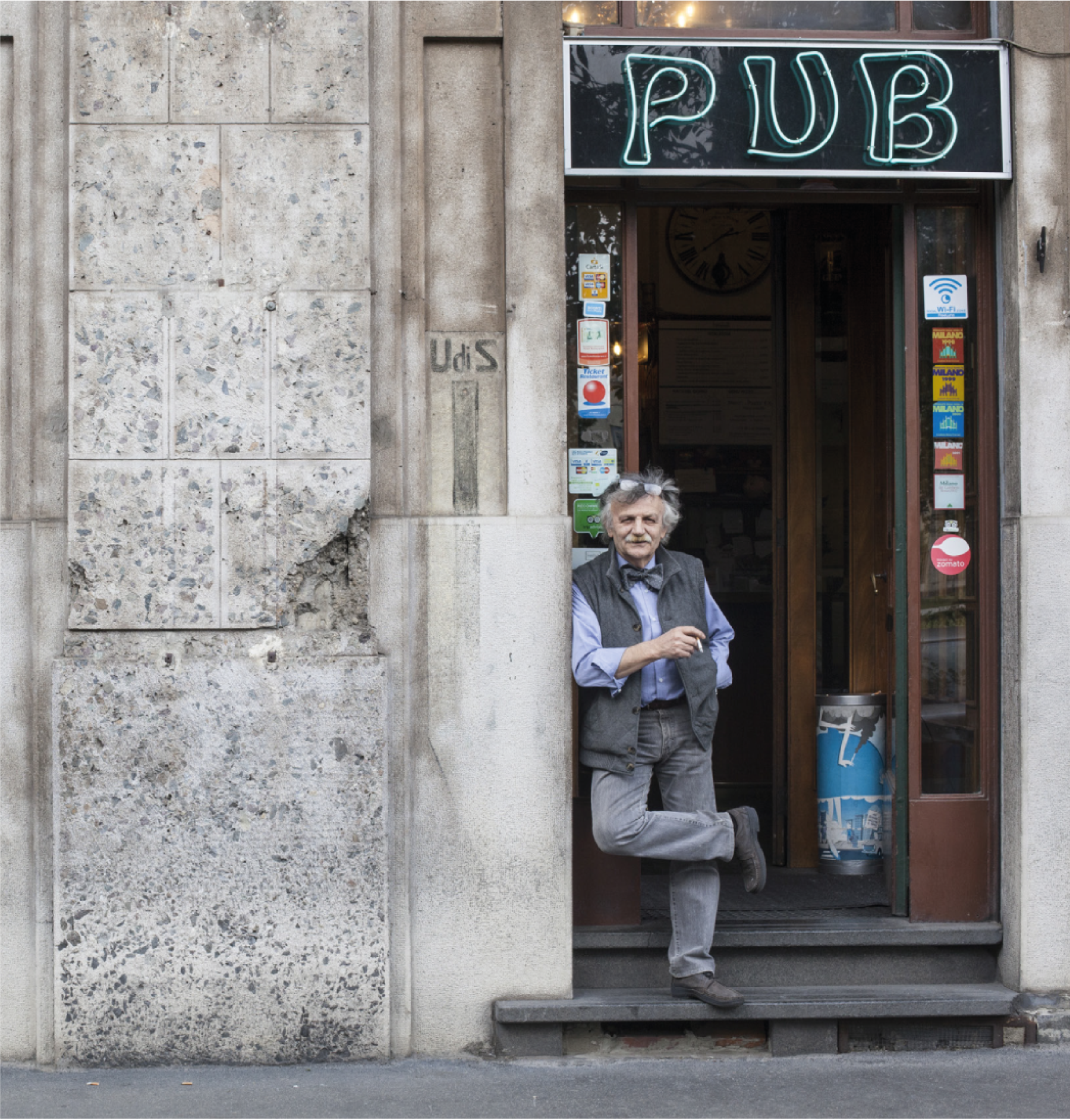
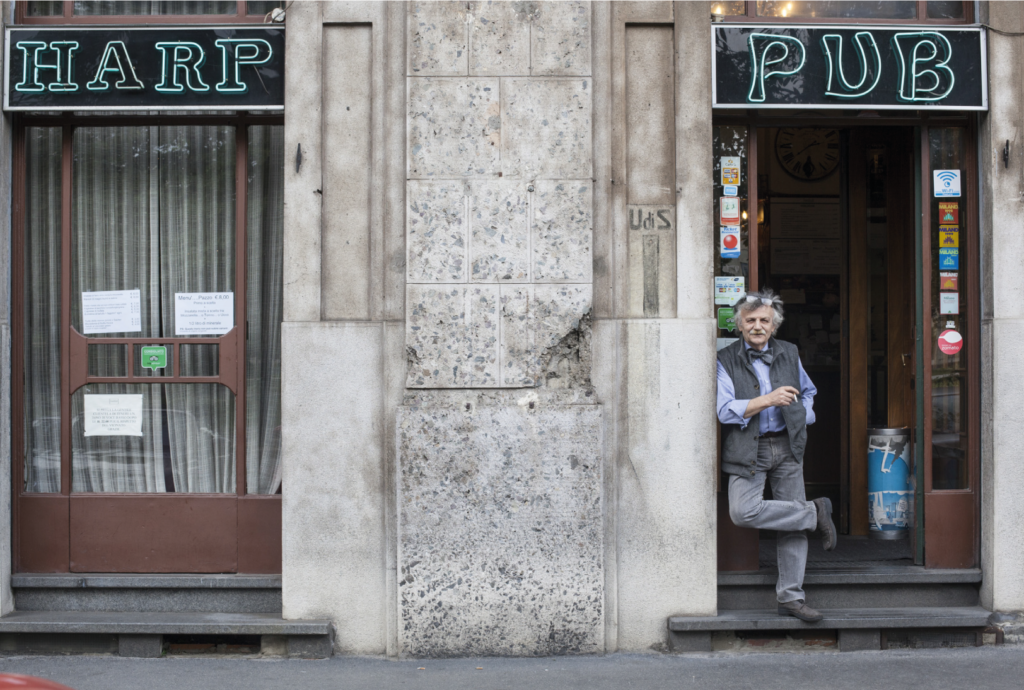
Corbetta raises his head to look up at his father who watches over him, in the framed photo on the wall of the Harp Pub, at number 20 Piazza Leonardo da Vinci. The pub opened in 1976 and the atmosphere inside has remained the same.
“The customers here are always of the same age,” says Angelo, “ranging from eighteen year-old freshmen to twenty-five year-old graduates. One cycle ends and another begins.” There is an imaginary boundary between the tables and the bar. At the tables, there are students, the bar is the territory of the sixty year-olds: former students, professors.
Luigi Dadda - an engineer to whom we owe the arrival of information technology in Italy - was best man at Corbetta and Pina’s wedding. And the names and memories of those who frequented this place overlap: luminaries with their heads in the clouds who, after eating their sandwich, would ask: “Have I already eaten my sandwich?”, or the guy with the most beautiful eyes in Città Studi, according to his wife Pina.
“Once, there was a curtain dividing the space between the pub and the room below,” says Corbetta. “One day, I saw some students who tiptoed past and slipped behind the curtain. Then I discovered that Professor Vittoriano Viganò had assigned them the task of renovating the pub.”
The project awards were naturally organized at the pub; some of the students had thought of transforming it into a large steel block divided over two floors. But instead, since then, nothing has changed.
“And nothing must change,” explains Corbetta who adds, “Every now and then someone comes in, looks around and says: 'It’s exactly the same.’ Yesterday, for example, a former student stopped by; he hadn't been back here for forty years. I recognized him, he was moved and called his wife to tell her: 'They recognized me in the pub!'
Someone else comes in and, like in a Back to the Future, orders sandwiches that have been off the menu for twenty years: the Cosscco, Vecchia Vienna, which had the secret ingredient of a slice of orange, the Gourmandise, which disappeared when this French cheese became unobtainable. Today, it’s Corbetta's two sons, Riccardo and Francesco, who make sandwiches in the kitchen and stand behind the bar to pour beer and mix cocktails. Corbetta, instead, sits by the cash register, in shirt and bow tie, eyeglasses resting on his white hair, and says: “I am still here. But I never graduate.”
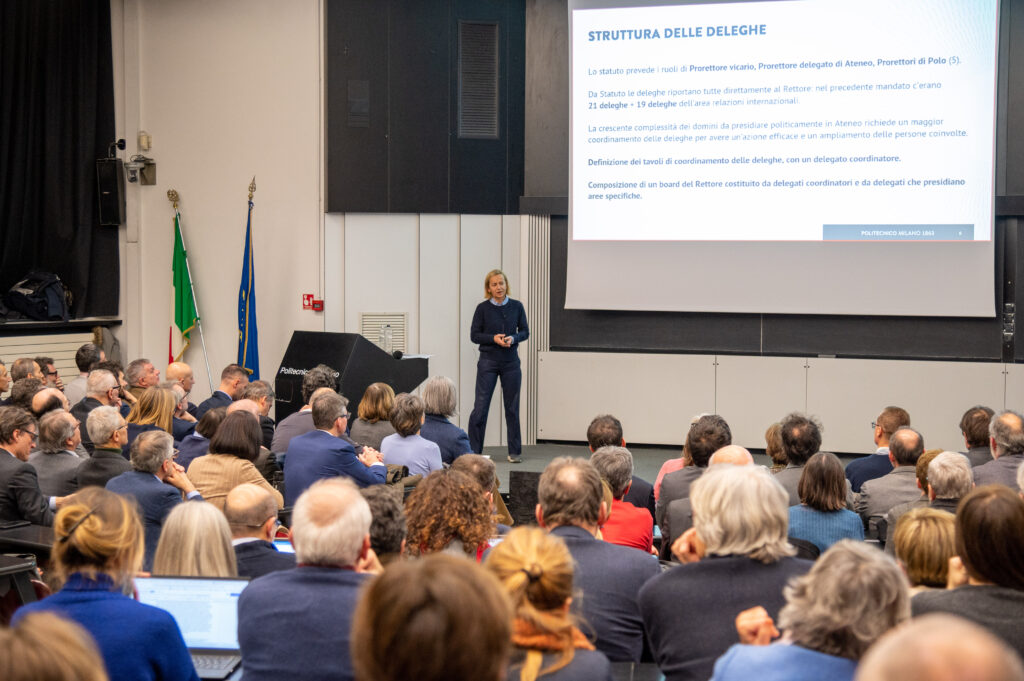
The organisation of delegates reflects the Politecnico's missions: Education, Research, Social Responsibility and Care for People.
"Four pillars with equal importance," Sciuto comments, "interrelated, moving together in the direction of sustainable development".
In order to put this vision into practice, the Politecnico's statute provides for a series of decision-making and operational bodies that work together on various fronts (you can discover all the University bodies at this link).
THE VICE-RECTORS
The Rector in-office has assigned the roles of Executive Vice Rector, Delegate Executive Vice Rector and Vice -Rectors of Politecnico's Campuses as follows:
Delegate Executive Vice-Rector Isabella Nova
Executive Vice-Rector Emilio Faroldi
Vice Rector for Cremona Campus Gianni Ferretti
Vice Rector for Lecco Campus Manuela Grecchi
Vice Rector for Mantova Campus Federico Bucci
Vice Rector for Picenza Campus Dario Zaninelli
Vice Rector for Chinese Campus Giuliano Noci
PROF. ENRICO ZIO CONFIRMED AS ALUMNI AND INDIVIDUAL FUNDRAISING DELEGATE
In addition to choosing the Vice Rectors, the Rector can give delegations on specific duties. Starting with the Alumni: Prof. Enrico Zio | is confirmed as the delegate for Alumni and Individual Fundraising. He will work with the group coordinated by Prof. Daniele Rocchi, Delegate for Corporate Relations, who has the task of defining and developing, together with the entrepreneurial world, joint research, educational and innovation initiatives, facilitating the transfer of skills from the university world to industry. Also under this umbrella is the Technology Transfer Delegation, assigned to Prof. Marco Bocciolone.
The increasing complexity of the areas to be covered requires coordination between the various delegates: the 2023-2028 Rector's term will therefore be characterised by the definition of coordination tables for the delegations, in which the coordinators will form a board reporting directly to the Rector. In our case, the Alumni, Individual Fundraising and Technology Transfer delegations are part of the more general Corporate Relations delegation.
Let us look at the other delegates together.
ALL 2023-2028 DELEGATES
Prof. Emilio Faroldi - Development and Enhancement of University Spaces
Its aim is to outline strategies for integrating university spaces and city areas, aimed at the social and physical renewal of existing and currently planned/realised Politecnico campuses in their relationship with urban contexts and territories. The focus is on the strategic vision of the Politecnico's campuses as avant-garde and urban testing grounds, capable of translating the instances of the University's cultural growth to the physicality of its spaces, shaping the academic context and defining an original reality that has its own identity within the urban context.
Prof. Isabella Nova - Strategic Plan Implementation
She works within the framework of the process of planning, management, implementation and enhancement of the University's strategic guidelines, as outlined in the Strategic Plan, which sets out the main objectives, KPIs and basic orientations that inspire the decisions around teaching, research and social responsibility of the Politecnico system.
Prof. Gianpaolo Cugola - Digital Infrastructures and Services
The delegation’s main aim is to continue on the path of digitalisation of the services offered by the University, making the most of the potential offered by information technology to speed up and make more efficient the processes related to the three areas in which the University operates: education, research and social responsibility.
Prof. Cristina Masella - People Management and Organization
The work is part of efforts related to human resources planning, developing logics for resource allocation, reading the organisational impact of policy options and defining actions to support their implementation within budgetary constraints.
Prof. Carolina Pacchi - Institutional and Community Relations
The delegation’s objectives are the promotion of the role, identity and recognisability of the Politecnico di Milano in the territory; the reinforcement and better articulation of the existing systems of relationships with institutional subjects and stakeholders, at different levels; the creation of new channels of relationship, exchange and mutual learning; the connection between the processes of education, research and production of knowledge, internal to the University, and the external context, respecting the freedom and form of the relationships already maintained by the various components.
Prof. Umberto Tolino - Communication
He will work with Prof. Davide Fassi - Delegate for Cultural Activities, Prof. Ingrid Paoletti - Delegate for Exhibitions and Events, and Prof. Federico Bucci - Delegate for Archive, Library and Museums System. The group operates within the communication processes that underlie the University's activities, applying a strategy that integrates teaching, research, the third mission and public events, at the centre of a common identity system.
Prof. Stefano Ronchi - Education and Learning
The Politecnico wants to play a leading role in education on an international level; in a world generally characterised by an increase in the number of stakeholders in the world of education and the rate of schooling, it must be able to increase its prestige in order to attract the best talents from all over the world and provide them with the skills and tools they need to improve the future society. Together with Prof. Federico Caniato - Delegate for Lifelong Learning, Prof. Maurizio Zani - Delegate for Financial Aid and Student Contribution, Prof. Mariapia Pedeferri - Delegate for Student Communication, and Prof. Tommaso Agasisti - Delegate for Learning Analytics, Prof. Ronchi will work to enhance the attraction of talent, the development of their skills, the enrichment of the experience gained during their educational pathways and the impact on the world of work through placement and lifelong learning policies.
Prof. Ilaria Valente - International Affairs
It is the Politecnico's objective to promote and support international relations for teaching and research. In particular, in this complex phase of important and rapid changes around the world, the Politecnico intends to act as the European node of a network of international relations with the aim of forming a qualified international and multicultural community of students, lecturers, researchers. The objectives are the expansion and consolidation of European and international networks in the fields of architecture, design and engineering, the attraction and selection of talent; the enhancement of opportunities for international experience, the attraction of international lecturers. Working together with Prof. Valente will be the numerous delegates to the various Geographical Areas, International Networks, Strategic Projects and school delegates. Find out more at this link
Prof. Alberto Guadagnini - Research
He coordinates and supports research activities, promoting their basic and transformative aspects in a European context, encouraging the interdisciplinary and inclusive nature of research. He supports strategic research in the context of European and international research networks, research infrastructures, open science policies and research quality assessment, in line with the University's strategic programme and with continuous interaction with the Ministry. He will work together with Prof. Francesca Rizzo - Delegate for European Research Projects, Prof. Francesco Topputo - Delegate for International Research Networks, Prof. Davide Moscatelli - Delegate for Research Infrastructures and Prof. Anna Maria Antola - Delegate for Research Quality Assurance.
Prof. Paolo Biscari - Talent Development
Strictly in continuity with the above group, Prof. Biscari will work with Prof. Matteo Maestri - Delegate for International Young Researcher Programmes and Prof. Alessandra Oppio (Alta Scuola Politecnica) and Prof. Daniele Rocchi (PhD School). The group's objective is to monitor and coordinate the actions implemented to support young researchers, understood as researchers present at the University with at least seven years of experience after obtaining their doctoral degree (condition for participation in ERC Starting Grants).
Prof. Alessandro Perego - Sustainable Development and Impact on Society
The aim of the activity is sustainable development (social and environmental) as a unifying perspective that should permeate the three missions of the University - Research, Education and Social Responsibility - and shape the way it relates to the public by generating a positive impact on all University stakeholders, including future generations. The large working group will include Prof. Anna Paganoni - Delegate for Data Analytics, Prof. Pierangelo Metrangolo - Delegate for Sports Activities, Prof. Mara Tanelli - Delegate for Diversity and Inclusion, Prof. Francesca Cognetti De Martiis - Delegate for Off-Campus Projects, Prof. Stefano Maffei – Delegate for Social Innovations, Prof. Alessandro Campi - Delegate for Multichance, Prof. Mario Grosso - Delegate for Relationship with Academic Networks for Sustainable Development, Prof. Emanuela Colombo - Delegate for Science Diplomacy, Prof. Licia Sbattella - Delegate for Psychological Support, Prof. Mario Motta - Delegate for Energy Transition.
We stress about refusing the use of cookies, we get angry if a telemarketing company gets our phone number without our knowledge. We see our privacy as important, yet we are not always aware that we are putting it at risk. How many times a day do we step into the view of a surveillance camera without even realising?
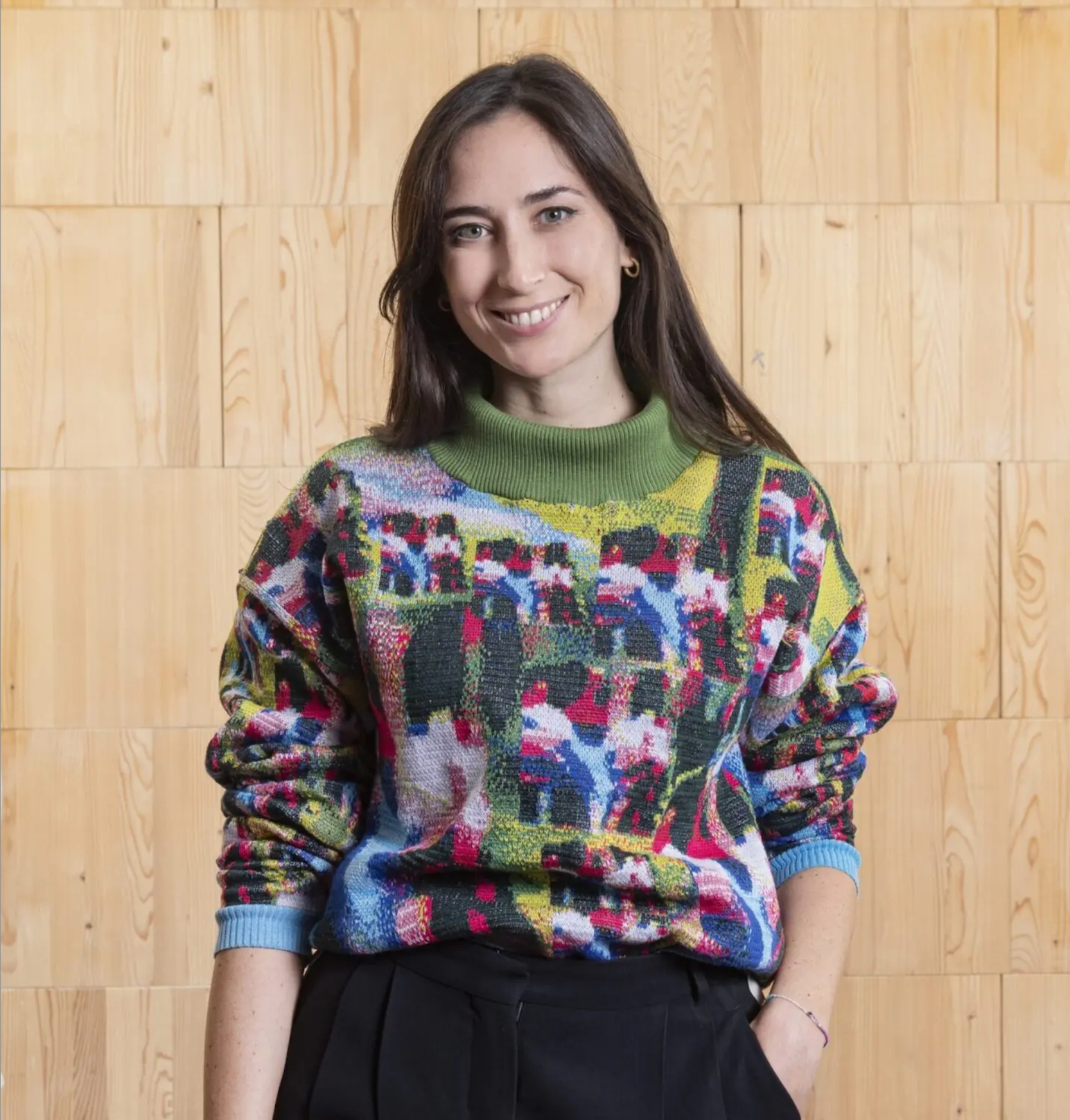
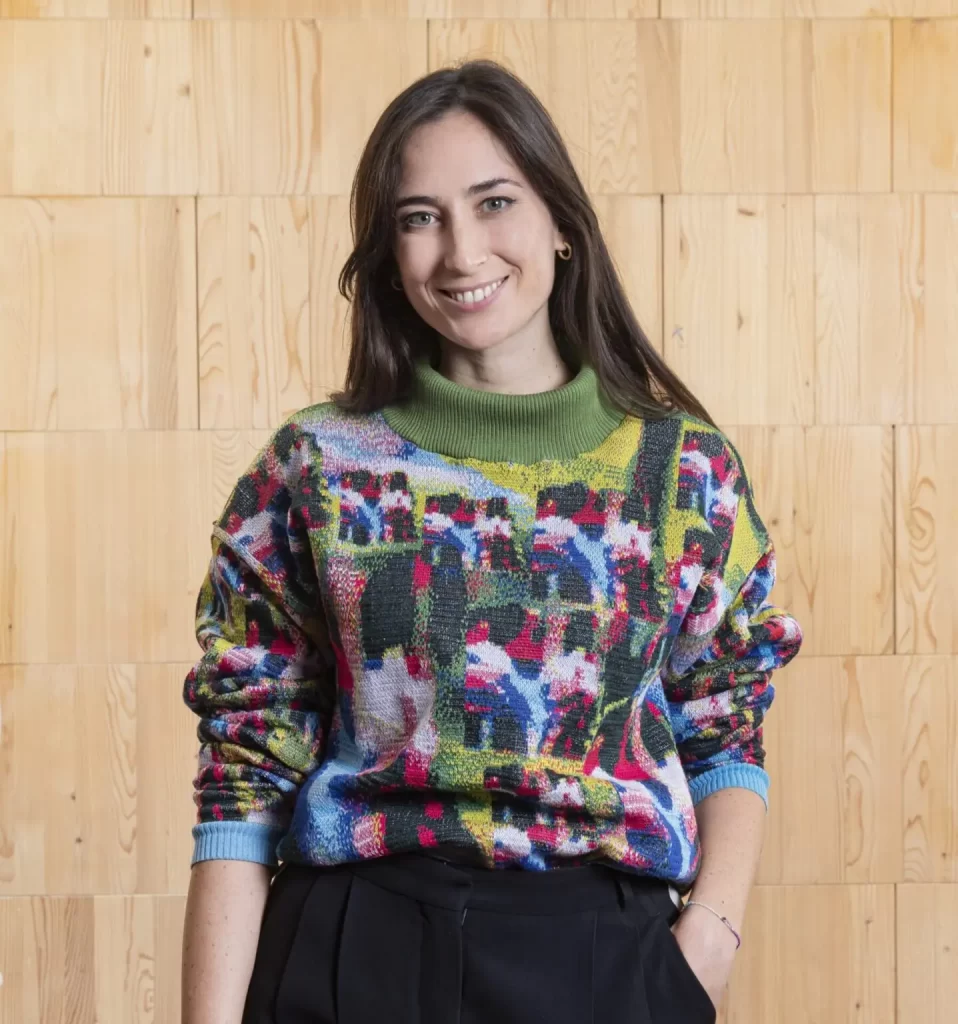
Do we know where our images of us will be collected and stored? Do we know who will use them, and for what purpose? Most of the time, the answer is no. This is the premise behind Rachele Didero’s work, a student designer at the Politecnico di Milano, who has patented Adversarial Knitted Textile. She has come up with a method for putting together pieces of clothing that can protect the wearer against automated facial recognition.
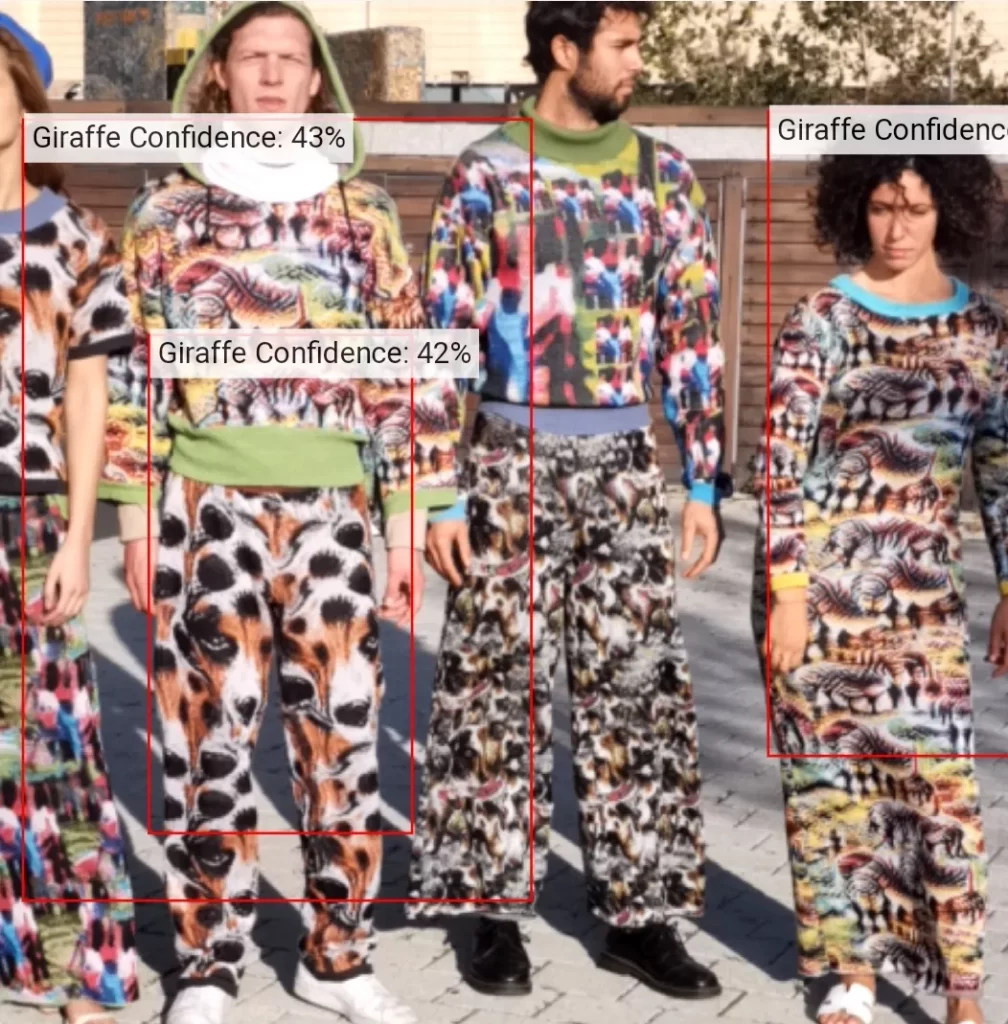
It works thanks to adversarial patterns ('clashing images'): seemingly abstract images that can confuse surveillance camera algorithms. Essentially, if I wear a piece of clothing that is patterned with a clashing image, my biometric facial data cannot be detected, or is placed into an incorrect category, for example in 'animal' instead of 'person', and therefore is not stored.
The Adversarial Knitted Textile method, patented together with the Politecnico di Milano with the support of Prof. Giovanni Maria Conti, allows the adversarial algorithm to be transferred into a mesh fabric without losing its effectiveness. The patterns confuse facial recognition cameras, thus protecting the person's identity. prof. Giovanni Maria Contiallows the adversarial algorithm to be transferred into a mesh fabric without losing its effectiveness. The patterns confuse facial recognition cameras, thus protecting the person's identity.
RACHELE DIDERO: DESIGNER, RESEARCHER AND ENTREPRENEUR AMONG FASHION AND HIGH-TECH
Rachele Didero, 27, enrolled in Fashion Design at the Politecnico di Milano after graduating. During her studies, she travelled a lot and had a lot of international experiences; she attended the ESDI design school in Barcelona, the Shenkar College in Tel Aviv and the Fashion Institute of Technology in New York. She states that it was there, in 2019, that she discovered the potential of combining computer science and textiles.
"I decided to delve deeper into the research once I returned to Milan and choose it as the topic for my Master's dissertation. The first experiments, in January 2020, took place at the Politecnico di Milano."
After months of research, in collaboration with Shenkar College, including the textile industry, machine learning and anthropometry, the adversarial fabric took shape. Didero tested it against YOLO, the most advanced real-time object-recognition system, and patented it in February 2021, in co-ownership with the Politecnico. The three-dimensional structure of the mesh fabric and its patterns reproduce adversarial images in a way that effectively counters facial recognition algorithms, thus protecting the user's identity.
Credits: Wired
A MANIFESTO FOR HUMAN RIGHTS
In 2021, Didero founded the start-up Cap_able, with which she prototyped the first Adversarial Knitted Textile clothing collection, the Manifesto Collection. A name not chosen by chance, she comments.
Every morning, as soon as we wake up, we choose what clothes to wear, an outfit that will accompany us throughout the day and represent our image in the world and in our interactions with others. For Didero, this is the first conscious communication action we take, a choice that can become a vehicle for our values, including our human rights.
"In a world where data is the greatest economic resource, Cap_able addresses the issue of privacy, sparking the discussion on the importance of protecting against the misuse of biometric recognition cameras”
Our facial image is a form of biometric data in the same way as our fingerprints or DNA. People should be able to give their explicit consent to the processing of their data, but this is impossible in the case of facial recognition, given that we would have to give consent every time we entered a public space where surveillance cameras are used.
“Manifesto’s aim is to raise awareness about the right to privacy and the protection of biometric data, an issue that is often overlooked despite the fact that it affects the majority of citizens worldwide. The value of this project is two-fold: the clothing is not only a shield against biometric recognition, but it is also, and predominantly, a manifesto intended to spark debate on the importance of protection against the misuse of facial recognition cameras”.
One foundation and 12 companies, the Politecnico di Milano Alumni and the University itself hhave donated to promote 25 scholarships worth €24,000 each (€8,000 per year) for girls who want to study Engineering at the Politecnico di Milano, undertaking undergraduate engineering degree courses with a low female presence: Aerospace Engineering, Automation Engineering, Electrical Engineering, Electronic Engineering, Computer Engineering, Mechanical Engineering and Industrial Production Engineering.
Girls@Polimi is an opportunity to incentivise aspiring engineers to enrol at the Politecnico; in fact, the project is aimed at female students who are still in their fourth and fifth years of high school and are thinking about their future at university. The project is part of the POP-Pari Opportunità Politecnicheprogramme, through which the Politecnico di Milano is committed to guaranteeing an inclusive study and work environment where everyone's uniqueness is respected.
After the success of previous editions, as well as ongoing support from Alumni, the year one foundation – Fondazione r.e.ACT ETS – and 12 companies have decided to donate scholarships: Autostrade per l’Italia Group, Energy Dome, Esselunga, Fastweb, Hitachi Energy, Intesa Sanpaolo, Leonardo, Gruppo Lutech, MEDIOBANCA, Gruppo Nestlé in Italia, Reply and SIAE MICROELETTRONICA. According to the Politecnico, the participation of companies has the objective of engaging with local communities and entities in the name of social responsibility to raise awareness about issues such as diversity, inclusion and equal opportunities.
“This project supports and promotes female talent in STEM fields and, in particular, aims at supporting girls that choose to put themselves to the test in sectors that are key for technological development on a global scale, where female participation is unfortunately still particularly low. The fact that many so companies and one foundation decided to stand by our side confirms the attention on said topics and demonstrates to young women and the society as a whole that the choice to study engineering sets the pillars to pursue important career paths and achieve economic independence”
says professor Mara Tanelli, Rector’s Delegate for Diversity and Inclusion.
Tra i tantissimi nuovi progetti di ricerca che partiranno nel corso del prossimo anno al Politecnico di Milano ce ne sono 8, in particolare, selezionati dalla Commissione europea tra migliaia di proposte per ricevere un finanziamento ERC, che sta per European Research Council: ne abbiamo parlato spesso sui canali Alumni, si tratta di un importante strumento della Commissione europea che sostiene ricerche pionieristiche e di frontiera.
ERC grants (i.e. funding) are awarded every year on the basis of certain criteria indicated in the framework programmes for research and innovation of the European Union, such as Horizon Europe - the framework programme currently in force - that covers the period 2021-2027. Our University is performing really well on this front: within Horizon Europe - i.e. from 2021 up until now - it has achieved an extraordinary result: 126 projects, among which 17 ERC, have been selected and have received funding for over 64 million euros.
At the moment the success rate of the "applications" submitted by research groups at the Politecnico is 20.45% compared to about 15% at European level: with these new funds the Politecnico di Milano has received a total of 60 ERC grants. As far as the number of funded projects is concerned, the Politecnico ranks fifth out of all universities in the European Union (Cordis data as of 16/01/2023).
These numbers are an important recognition, open up possibilities in the scientific field and at the same time facilitate the attraction of talent:: the Politecnico sits at the top of the world university rankings also because of the cutting-edge scientific research carried out in its laboratories.The achievement of this Italian record has been possible thanks to the work of the about 3,500 scientists and researchers of the Politecnico. Some of them are “ERC researchers”: It is said that they are among "the brightest minds in Europe", scientists that could be responsible of new and unexpected scientific and technological discoveries.
THE “FANTASTIC EIGHT”
So, we received eight new ERC research grants. These 8 new projects will address issues related to space, energy, sustainability, autonomous driving, medical technologies, technologies for the economic and cultural sphere, i.e. some of the most pressing challenges of our time.
A Consolidator Grant was assigned to the research group of Prof. Camilla Colombo, of the DAER, for the project GREEN SPECIES (we talked about it here). Consolidator Grants are intended for researchers with a consolidated scientific curriculum, who aim to strengthen their research team and develop their career in Europe.
Four Starting Grants went to Fabio Ferrari, Margherita Maiuri, Paola Occhetta and Gianvito Vilé (discover more about them here). Starting Grants are checks for emerging researchers with just a few years of experience. Other 3 researchers have been awarded Proof of concept (PoC) ERC funding. Proof of Concept funding is assigned to researchers that already have an ERC project underway or have recently completed it and want to transform basic research in applied research.
There are also other types of ERC grants for the period 2022-2023 that have not been awarded yet; we are talking about Advanced Grants for outstanding and prominent scientists who were able to open new paths in their research fields, and Synergy Grants (like TOMATTO, of which we talked about here), that promote substantial advances in the frontier of knowledge and encourage new research streams.
PROOF OF CONCEPT (POC): SCIENCE TESTING THE FACTS
The objective of the team coordinated by Prof. Carlo Spartaco Casari is to develop a new printable anti-counterfeiting system (PYPAINT) based on carbon-based nano-structures with a specific optoelectronic response that allows the creation of a unique identifier code for an artwork invisible to the human eye. The project stems from the research activity at the NanoLab of the Energy Department as part of the ERC Consolidator grant EspLORE project, and is carried out in collaboration with the start-up DayOne, headquartered in Rome.
The system is conceived for immediate application in the art market, which has always grappled with the problem of counterfeiting. Artworks are generally not protected with dedicated security devices that enable the unique identification of the work. Historically the problem has to do with the fact that the alteration of the work itself must not be visible and with the relative lack of non-invasive security systems. PYPAINT aims to help safeguard the extreme value of artworks in Europe and the rest of the world.
Carlo Spartaco Casari
The CATALYSE project of Professor Matteo Maestri is centred around the development of a software for multi-scale modelling of industrial catalytic processes, combining rigorous adherence to core principles with advanced machine learning and artificial intelligence algorithms. The software will provide a plug-and-play framework for the inclusion of detailed atomistic-level kinetics in advanced chemical reactor models, serving as a key tool to support the development of new technologies for energy transition and sustainable use of resources.
Matteo Maestri
Prof. Francesco Topputo obtained funding for his GUIDO project, which will lay the foundations for the realisation of an autonomous driving unit for satellites in deep space. Steering a satellite means planning and controlling its trajectory as well as deciding how to direct its thrusters during manoeuvres. The innovative element of GUIDO is its ability to find trajectories with reliable optimization algorithms that can run on a low performance and low energy consumption circuit board. The GUIDO PoC will be developed at the DART Lab, the laboratory managed by Topputo where steering and navigation algorithms for space probes are tested through simulations with integrated hardware.
The Politecnico di Milano is undertaking an important project to study the sustainability of space missions. With increased activity in recent years, the issue of space debris orbiting the Earth has become increasingly pressing. This debris may pose a threat to future space missions, as well as to the environment.
The GREEN SPECIES project by professor Camilla Colombo at Politecnico di Milano, who received a Consolidator Grant from the European Research Council (ERC) for this project, addresses these concerns.
GREEN SPECIES: HOW DOES IT WORK?
GREEN SPECIES, “Robust control of the space debris population to define optimal policies and an economic revenue model for sustainable development of space activities”, will develop an interdisciplinary approach for modelling space debris and predicting its progression.
A probabilistic model of space debris will be developed, in which all physical, financial and political variables will be considered. As a novel element, the project will take on the management of the debris environment through a robust controller applied to the space debris model, described as a complex dynamic system.
Model feedback control actions will be turned into policies and guidelines, through quantitative indices, assessing both the environmental impact and the social and economic benefit of space missions through the achievement of the Sustainable Development Goals.
SUPPORT FROM ERC
The project was selected from over 2,200 proposals received by the ERC. This is a great result for the Politecnico, given that this year only 14.4% of the projects submitted have received funding. The Politecnico di Milano has reached a total of 60 ERC grants, including 14 Consolidator Grants.
Under Horizon Europe (the European Union's funding programme for research and innovation 2021-2027), the Politecnico has, to date, achieved an extraordinary result with 126 winning projects, including 17 ERC projects, worth more than 64 million euros. Currently, the Politecnico's success rate is 20.45% compared to the rest of Europe, which is about 15%. The Politecnico is the fifth largest university in the European Union in terms of the number of funded projects (Cordis data as of 16/01/2023).
ERC Consolidator Grants are intended for researchers with at least seven years of experience after their PhD and who have a very propitious scientific career. These are scholars who aim to consolidate their independence in research, strengthen their research group and continue to develop a career in Europe. Funding can be up to €2 million per individual project for a maximum duration of five years.
This website uses cookies. This helps us analyse data and ensuring that we give you the best experience on our website. More information is available on our Privacy policy