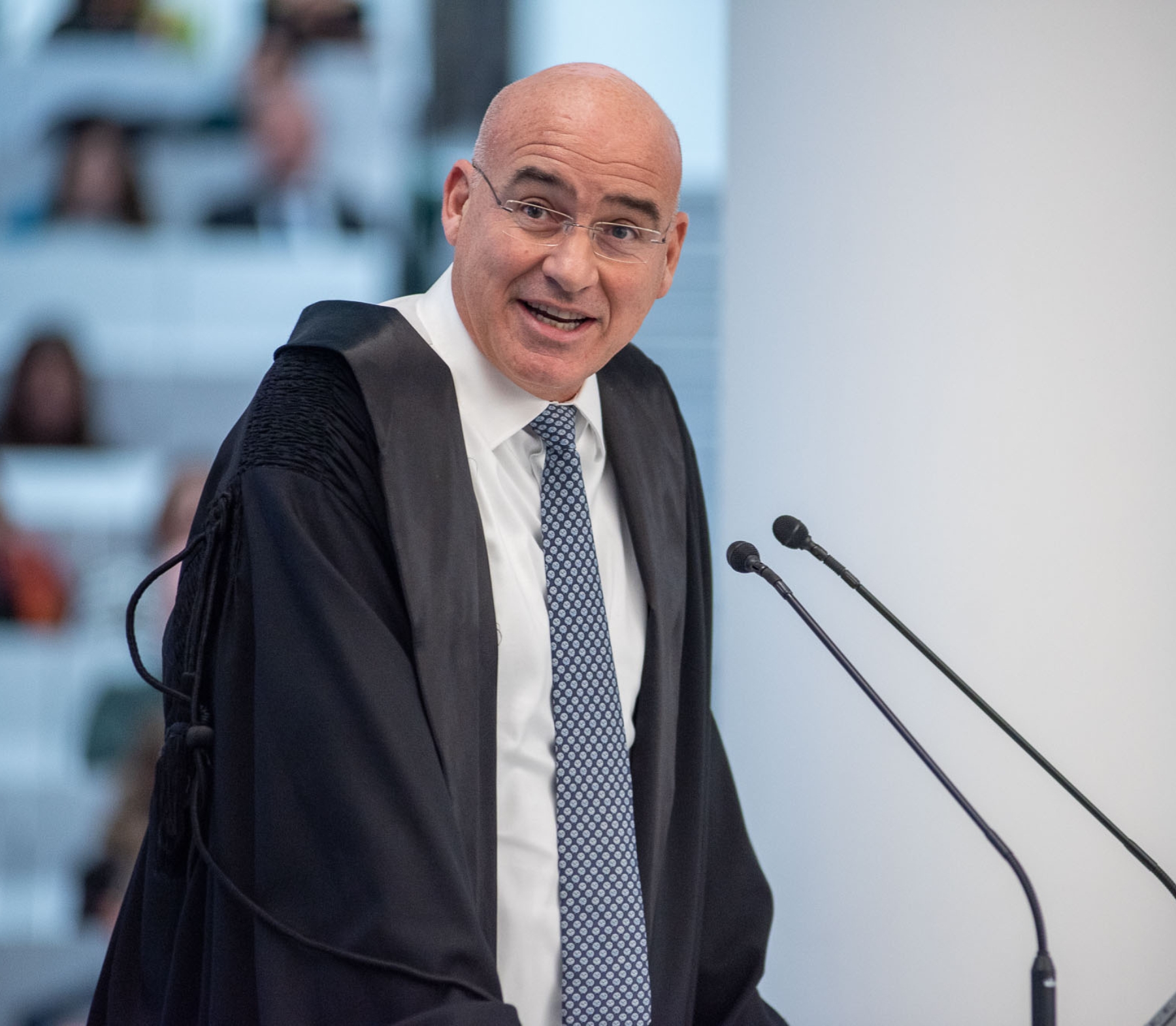
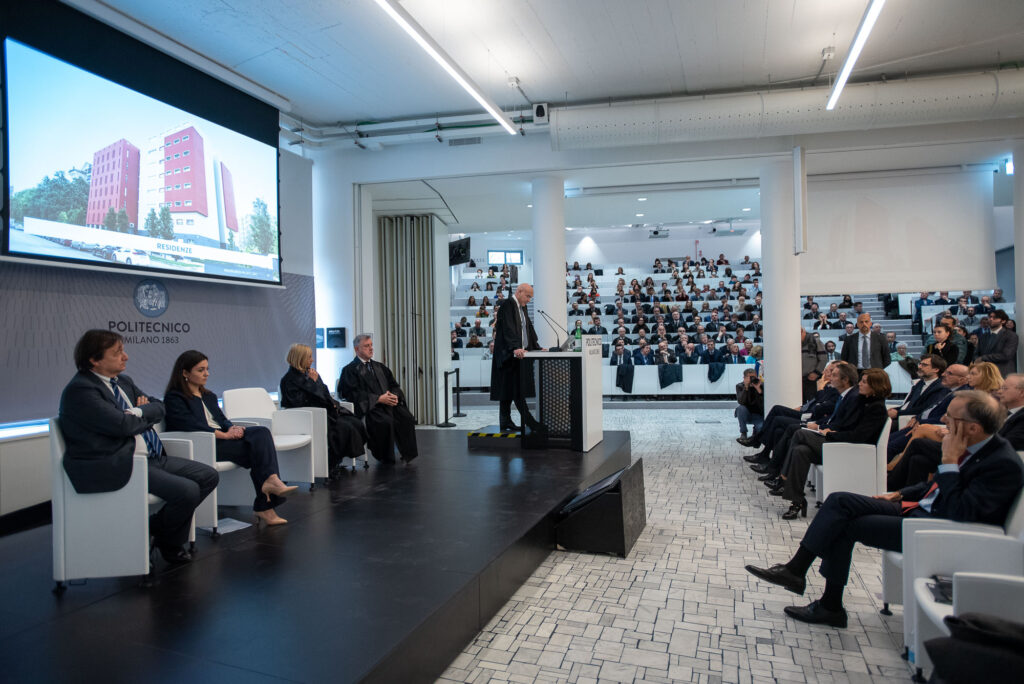
From focussing on social challenges to synergies with institutions and businesses: this is the balance struck by the Politecnico di Milano - and the outgoing Rector Ferruccio Resta Resta - at the inauguration of the 160th academic year. And it is on this basis that we will continue to build from 2023, which will see the new Rector Professor Donatella Sciuto in office.
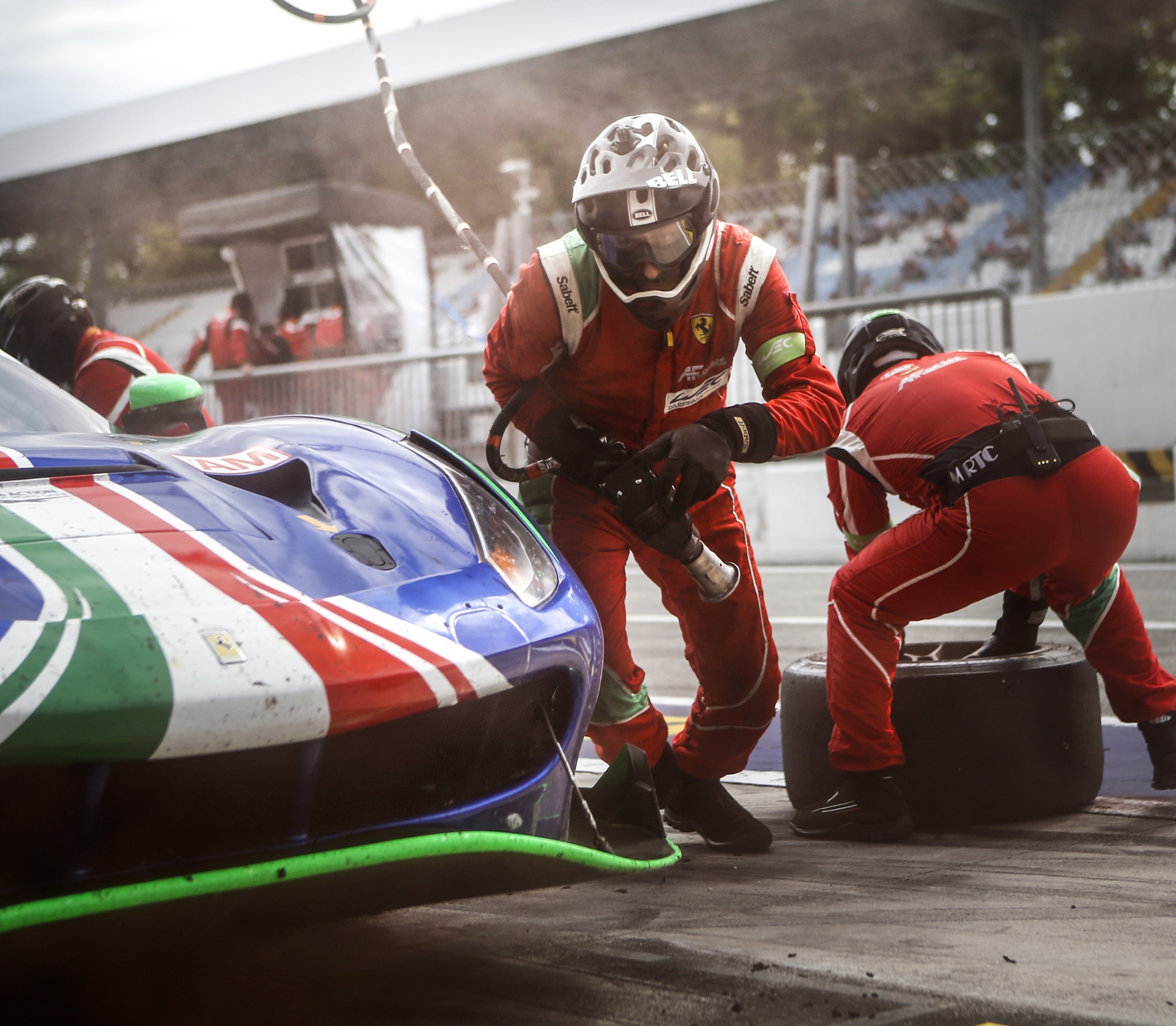
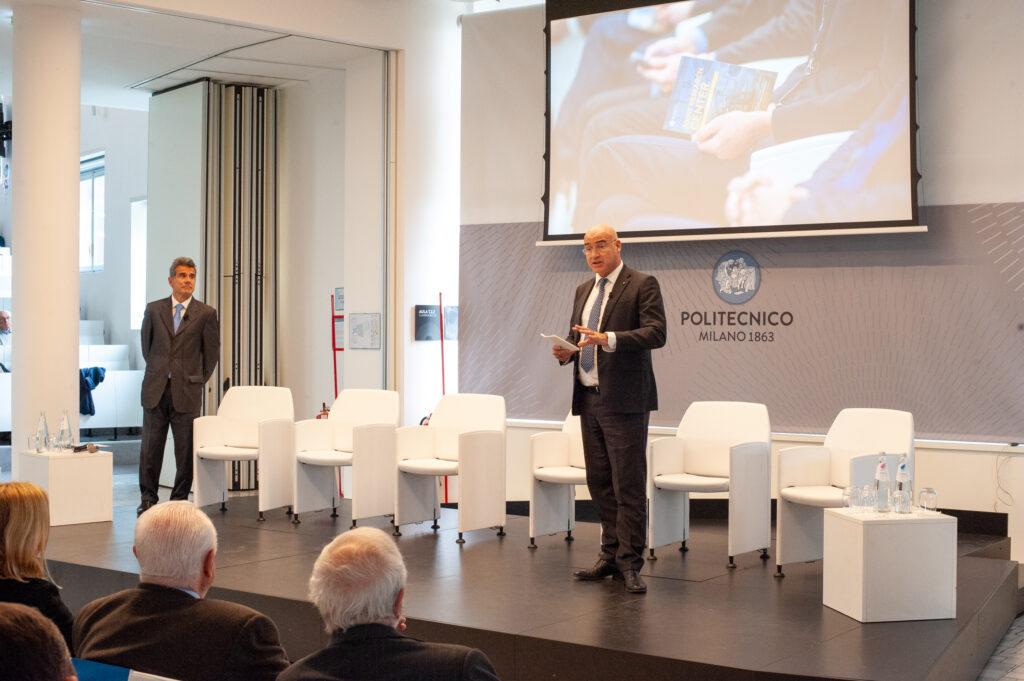
The ceremony, held on 30 November 2022, was attended by Anna Maria Bernini, Minister of University and Research; Attilio Fontanta, President of Lombardy; Giuseppe Sala, Mayor of Milan; Benedetto Vigna, CEO of Ferrari; and Marta Ghidoli, President of the Student Council. Benedetto Vigna delivered the Lectio Innovation and Scientific Method.
On this occasion, the Rector took stock of the activities over the last six years, with a critical look at the university’s work and its impact on the socio-economic context.
‘The university system has a guiding role that we must keep as bold, open and free as possible’ the Rector commented. ‘In doing so, we must be more courageous in implementing genuine reward policies, something that does not only concern the university, but the entire country. “Generate excellence” or “reduce gaps”? I believe the solution is to enhance diversity so as not to cause the system to regress. We must have the courage to strike a difficult balance between those institutions that operate at international level and those that fulfil the equally important task of serving their local territory’.
In keeping with the polytechnic tradition, the utmost attention to research- the heart of the university vocation - has characterised this mission, with the university at the frontier of the most complex challenges: from space to biotechnology, quantum technologies, big data, artificial intelligence and social challenges. Research that goes hand in hand with teaching, that enhances it with the aim of producing young polytechnic students to govern these challenges in the future. The centrality of the Politecnico's social impact and, therefore, its relations with businesses and with the various laboratories set up in collaboration with companies (we have talked about the laboratories here) brings us full circle.
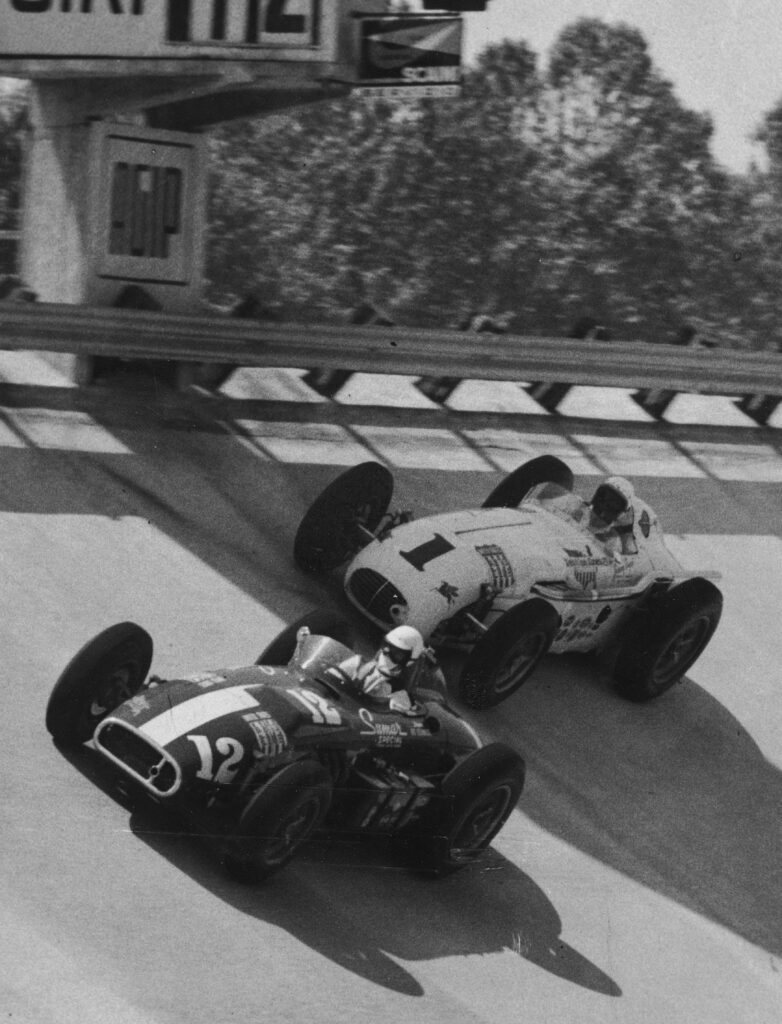
ON 3 SEPTEMBER 1922, at 9:30 am, in the Villa Reale in Monza there were three Fiat, two Diatto, one Bugatti and two Heim. 100,000 spectators in the grandstands, for the first Grand Prix of the newly created Monza circuit. Among these, two thousand Fiat workers arrived on a company train to ensure that those on the shop floor shared the experience that was also the result of their work. The track was 10 kilometres long, to be covered eighty times. Crossing the finish line in the rain, with an average of 140 kilometres per hour aboard a Fiat 501, was Pietro Bordino. To celebrate the victory and bring the top three finishers to the grandstand, the audience invaded the track after the race was not yet over.
Courtesy of Umberto Andreoletti
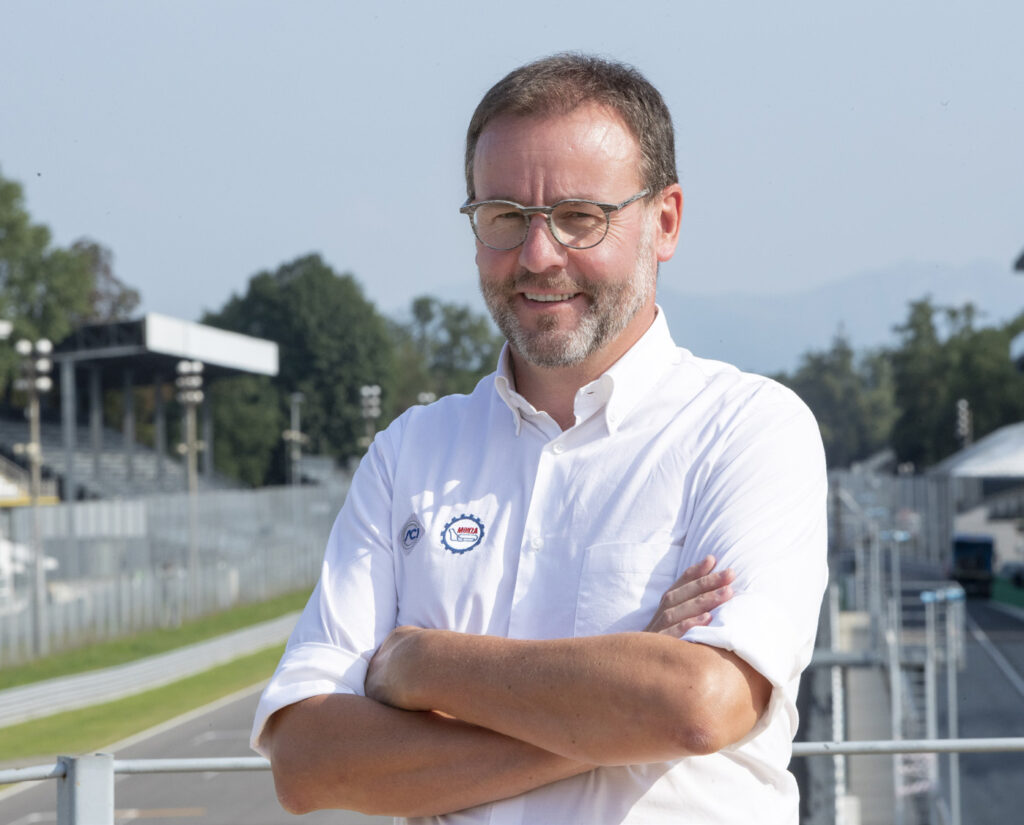
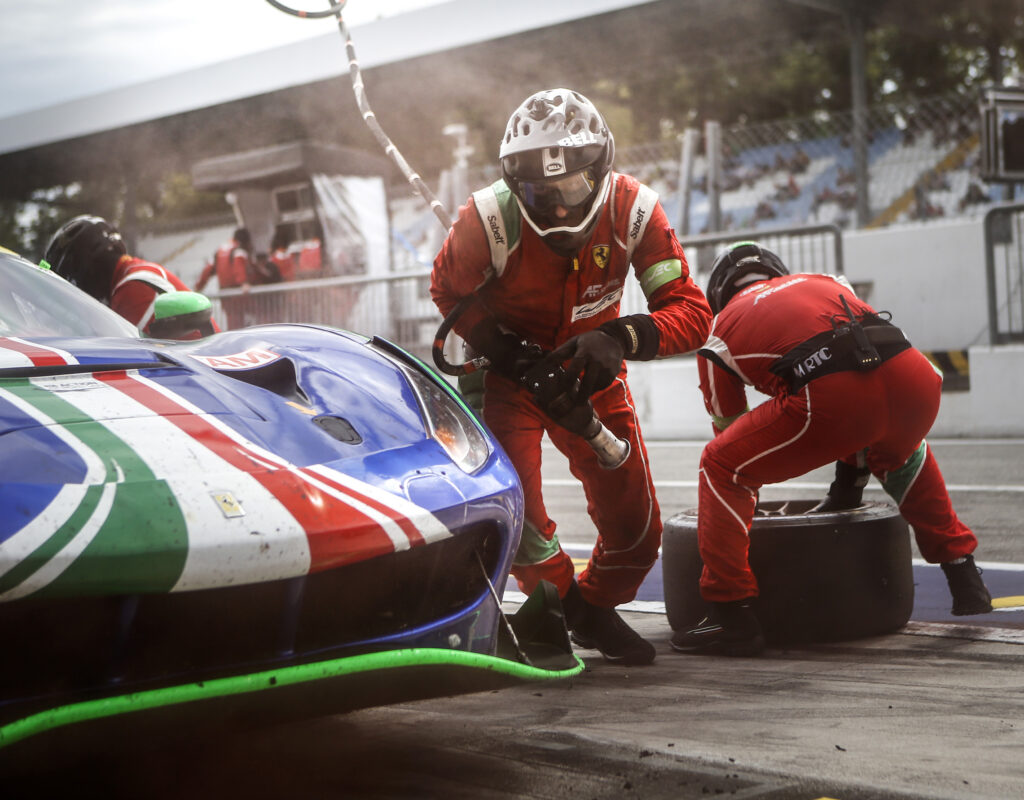
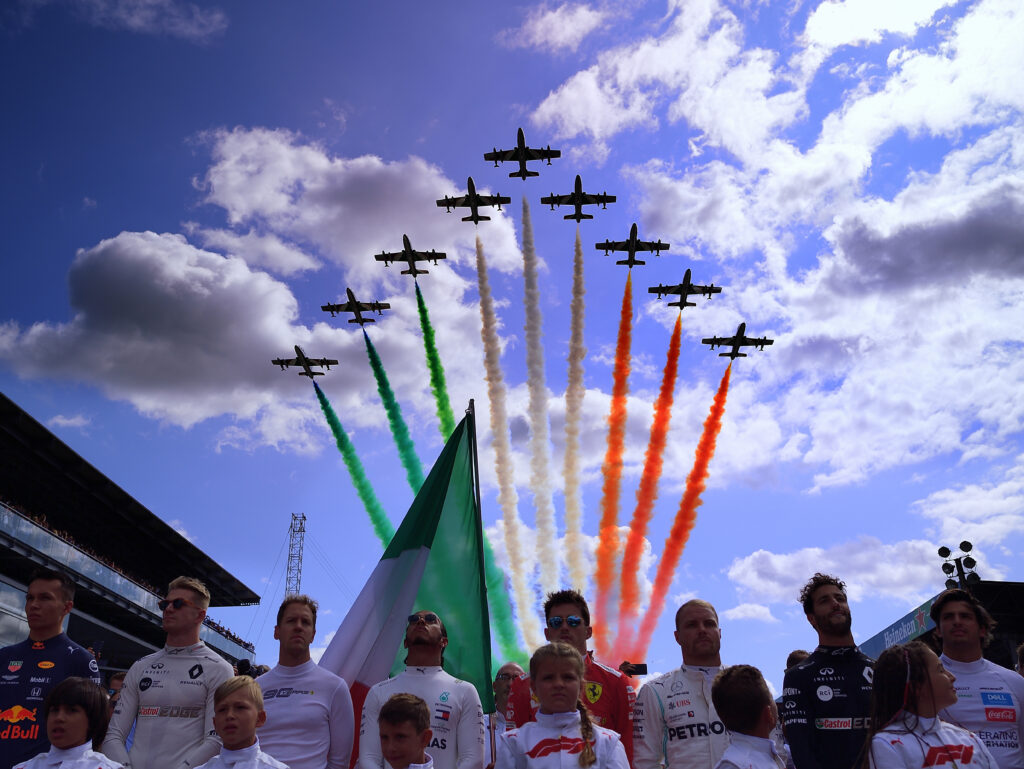
On Saturday 3 September 2022, the race track celebrated its centenary milestone and the history that has run over the track in a century. Among the many, the names of Tazio Nuvolari, Niki Lauda, Ayrton Senna, Michael Schumacher, Lewis Hamilton, who in 2020 set the absolute record of the circuit with the highest average ever in the history of Formula 1, are In the Roll of Honour of the Grand Prix; but there were other historical events, in April 1945 a parade of Allied armoured vehicles broke up the track surface on the straight in front of the grandstand, from here the Giro d’Italia starts and arrives. And we wanted to trace an ideal course of these hundred years, together with Alumnus Umberto Andreoletti, since 2015 Director of Operations of the Autodromo Nazionale Monza circuit.
‘If I had to summarize the work of our office - explains Andreoletti - I would say that it is the troubleshooting office, because it manages the productive, technical and logistic part; it is as if we were working on a big puzzle where everything is interconnected. Our goal is to ensure that the public and customers return home happy. And above all with their own legs, in total safety. This is our diktat’.
Umberto Andreoletti
We start our journey from the very first time that Andreoletti was part of the Autodromo audience. ‘I was little, I went there with some friends, I must have been a little over ten years old. My father didn’t want it, it was my mother who indulged the passion for motorsport. An avalanche of emotions flooded me. I remember the deafening noise of the twelve cylinders and the outburst of the public. I never thought then that one day I would return to work there. The first time I entered here as a director I discovered that it is a chameleon-like place because it is so vast that you think you are in one place and instead you are in another. This year, on the occasion of the centenary celebrations, it was a record place for a paying public, 90,000 on Saturdays and 130,000 on Sundays. Our task is to understand what the needs of the place are to make it work properly. It is one of the three oldest racetracks in the world and is to be found in a unique context: within the largest monumental enclosed park in Europe, which is itself located in a small town. The park is within the town and the town is within the park. You enter a world of history’.
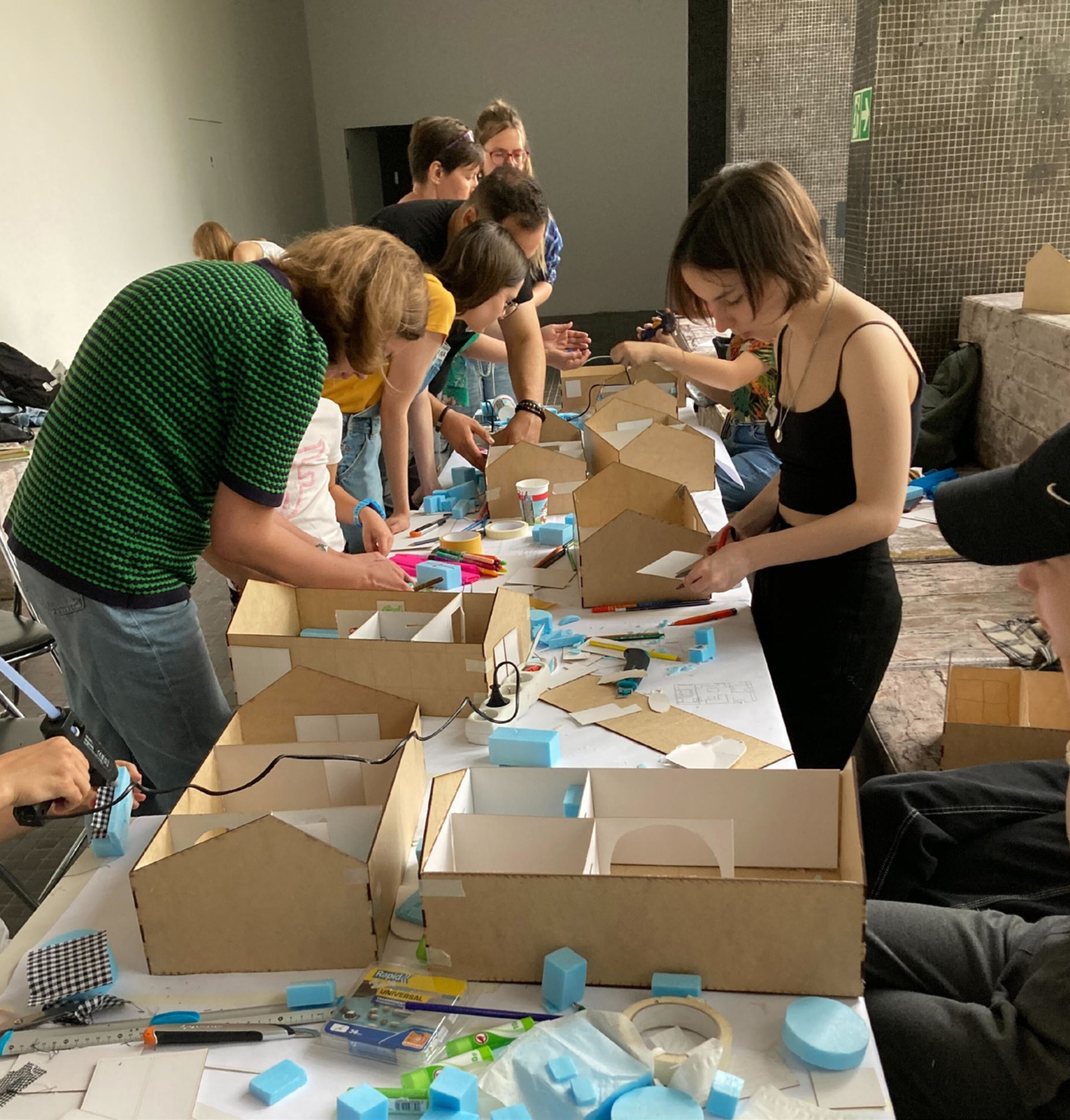
‘When the war ends will you go back to Ukraine or do you plan to move permanently to another country? Will you take part in the reconstruction? What do you miss most? Where do you currently live? What do you want? Where do your children sleep? With how much luggage did you arrive in Poland?’. These are some questions in a housing questionnaire put to Ukrainian refugees in Poland by Project Safe Refuge, an international group of designers of transitional housing units designed for emergency contexts. The answers are used to create homes that are not impersonal but that welcome guests making them feel more at home in some way.
The idea arose in March 2022, as Nadja Strikovic, architecture Alumnatells us: ‘I found out about the initiative on the LinkedIn page of Kika Zdziarska, a Polish student who studies in Delft, the Netherlands, and whom I had met when she was also attending a three-year degree at the Politecnico di Milano. Together with Kasia Antoszyk, another Polish student, she had just started working on this idea and so I joined them.
one on a research level, by contacting organizations similar to ours in the international arena, with a focus on Poland and Ukraine. The other line of research focuses on the technical and construction field, we are looking for companies and organizations that are willing to build our project on site, so as to avoid large costs of transporting materials and housing units, and also to speed up processes’.
‘We are understanding if we can cover the costs in building the housing unit prototype: a basic module of about 33.5 metres by 67.5, corresponding to a minimum size that can then eventually be extended in length and height by adding other modules. This size allows us to accommodate a bathroom, kitchen and a space in front large enough for a sofa bed or two single beds or a double bed. We imagine it as a very flexible base with a structure made of OSB wood panels, insulated with local materials recovered from waste from local companies and businesses. The doors and windows will tend to be in PVC. We would like to achieve something that is not alien to the lives of refugees. Even if they will be temporary, we would like something in the furnishings and spaces to remind them of their original homes’.
Currently, the group is trying to complete the development of a complete unit to be built possibly in Ukraine. They have launched crowdfunding to finance its success.
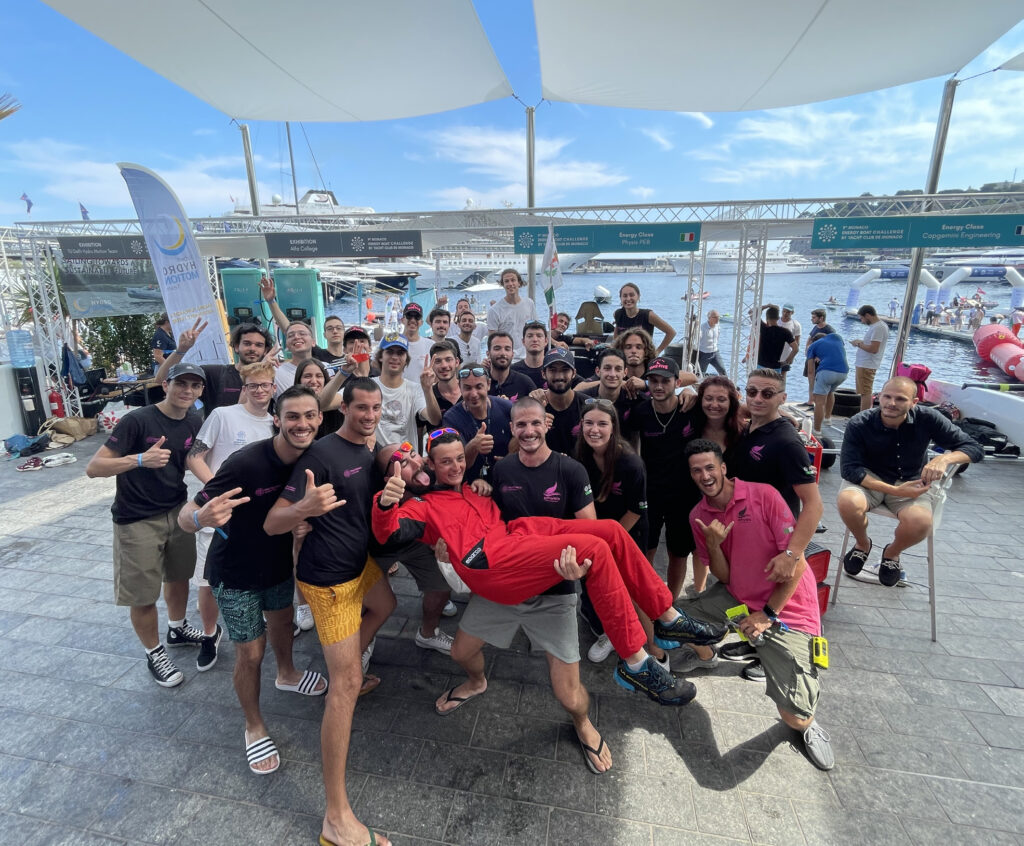
‘IONE 1.0 was ranked 3rd in the Energy Boat Challenge. Love, hunger and a little madness are the ingredients that made what was just a dream come true, the same ingredients that keep us dreaming of embarking on ever bigger waves’.
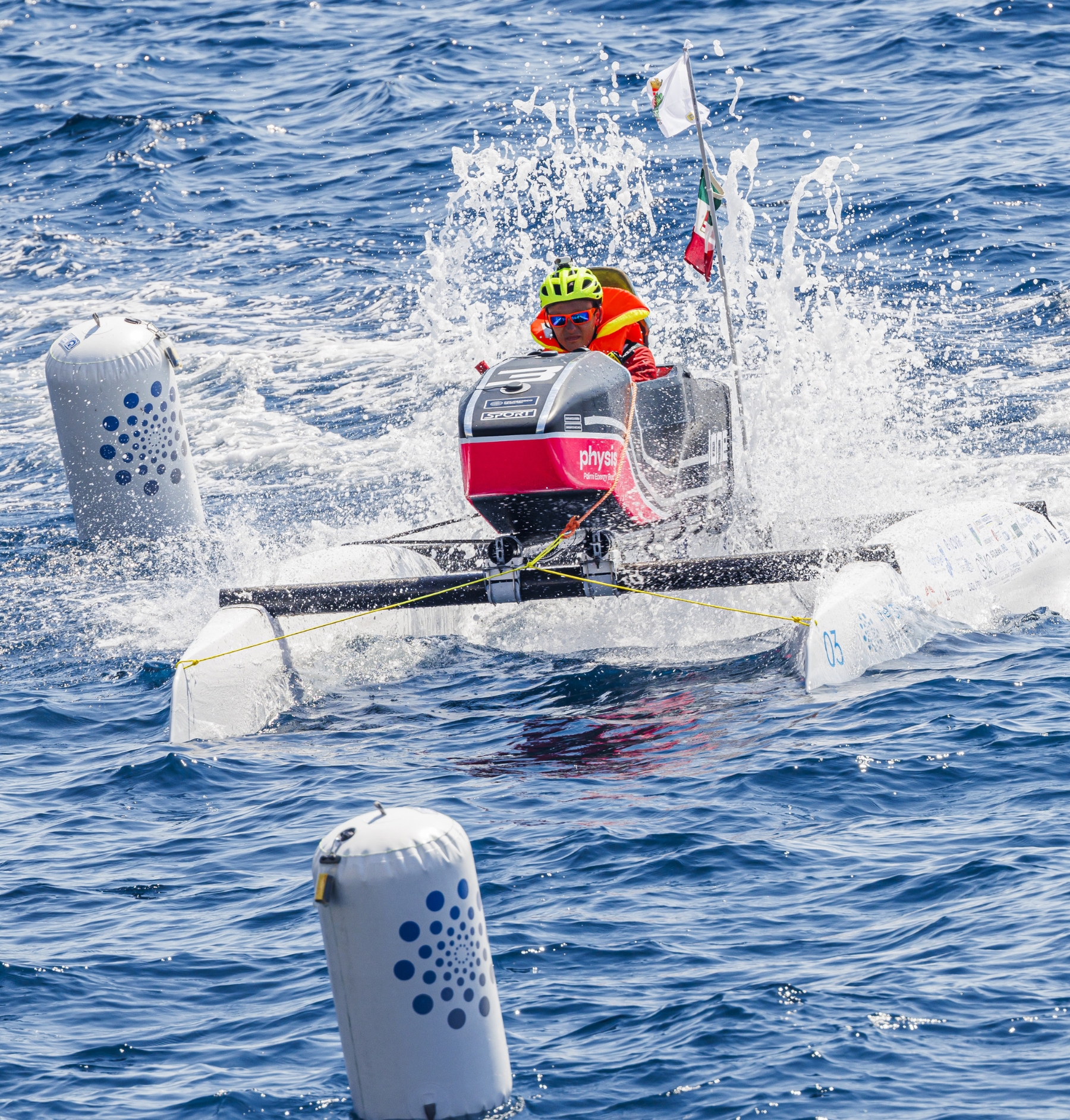
On 10 July 2022, on Physis PEB 's social networks , we read this post published the day after the Monaco Energy Boat Challenge, where in addition to third place for the energy class, the team and students of the Politecnico di Milano also won theEco Conception Prize for the sustainability of the idea. Making this milestone even more important is the fact that the Monaco Energy Boat Challenge is a unique event in the world, dedicated precisely to innovation and sustainability for boating; now in its ninth edition, it involved twenty-seven universities from all over the world, ‘a bridge between tomorrow's engineers and today's industry leaders’, declare the organizers.
Credits: Physis PEB
The starting point of this goal is told by Alumnus and teacher Paolo Schito from the Department of Mechanics: ‘Initially we were invited, as Politecnico di Milano, to participate in this competition by the Yacht Club de Monaco. In July 2021 we decided to involve students by selecting eight out of sixty candidates. We looked for people who had skills outside the purely academic field, also linked to their own passion. From late September to mid-November, the first eight participants developed the concept of the boat, then recruited other students. The team currently consists of about eighty people’.
Camilla Salvagno, in her third year of Mechanical Engineering, is among the first eight people recruited. Today she is Team Leader of the project and goes into the details:
‘We build a hybrid catamaran with an electric motor, with three energy sources: battery, solar panels and hydrogen. We work on the cockpit, on the propulsion system and on the energy system and we design all the structures and electronics. The propulsion system is based on an electric outboard from the sponsor company Gardasolar. Starting from the characterization of the engine, propellers optimized for the race working points were integrated to ensure maximum thrust and maximum efficiency. The carbon cockpit mould, i.e. the cockpit of the boat, is recycled from that of the SAE formula, another Poli team. The cockpit was then laminated in prototype basalt fibre, recycled PET sandwich and BioBased resin. The peculiarity of this resin is that, through an innovative process, it allows the fibres used for lamination to be re-extracted at room temperature without affecting their mechanical performance, so that they can be reused again. The structure of the solar panels, on the other hand, is made of bamboo with joints designed and moulded by us in the laboratory in recyclable PLA and reinforced with punctured bicycle inner tubes‘.
Preparing for a competition like this means leaving the classroom and literally embarking on a project to be navigated, arriving at new lands such as those of the search for sponsors, venturing and interfacing with a still unknown world which is that of work and that of theory applied to making a boat that must stay afloat.
Schito, on the other hand, explains what is the value for the University:
‘The Poli has expertise in the nautical sectors, hydrogen propulsion, electric motors and attention to CO2 emissions. With Physis PEB all the laboratories involved in the initiative have the opportunity to see their research applied’.
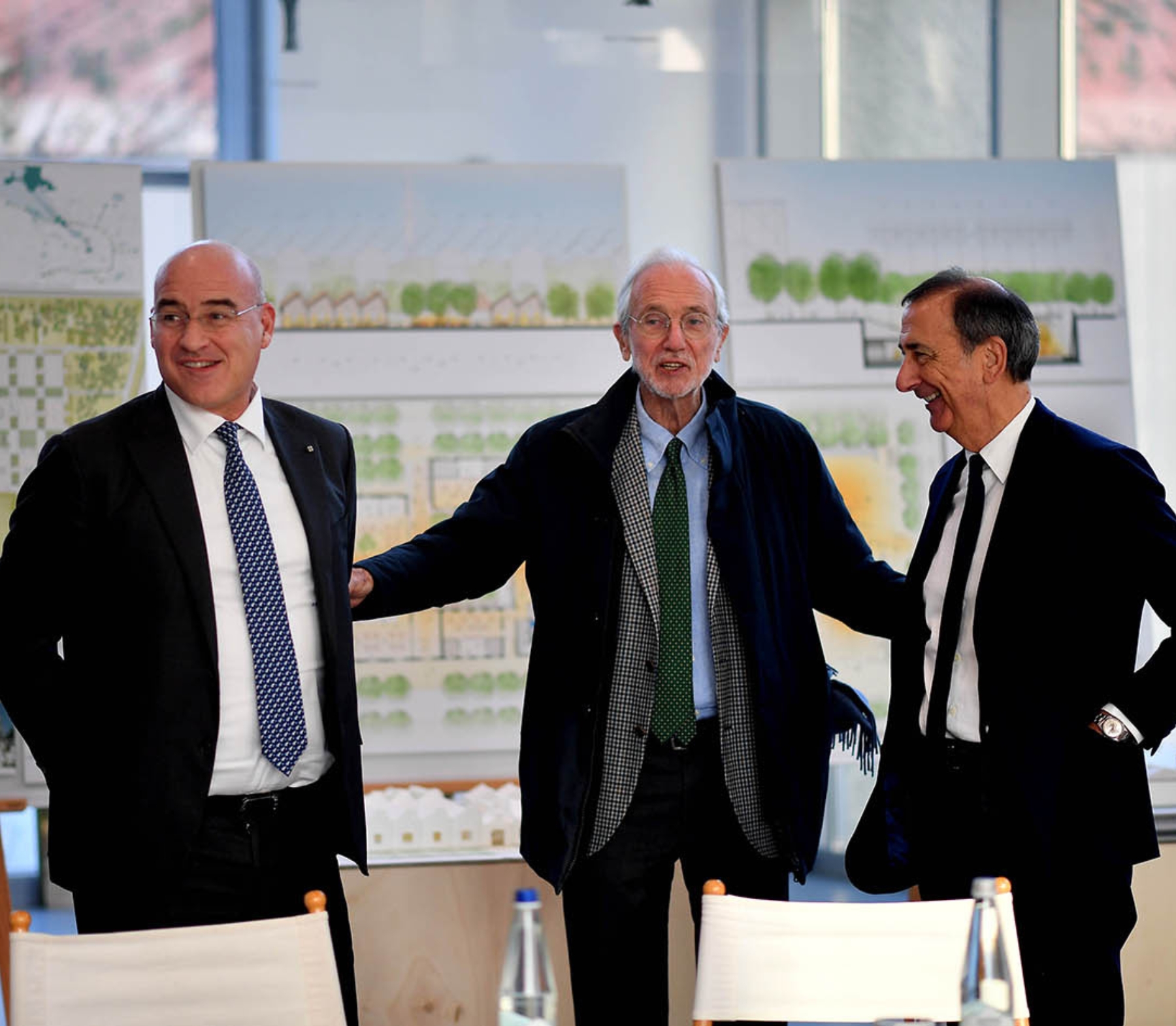
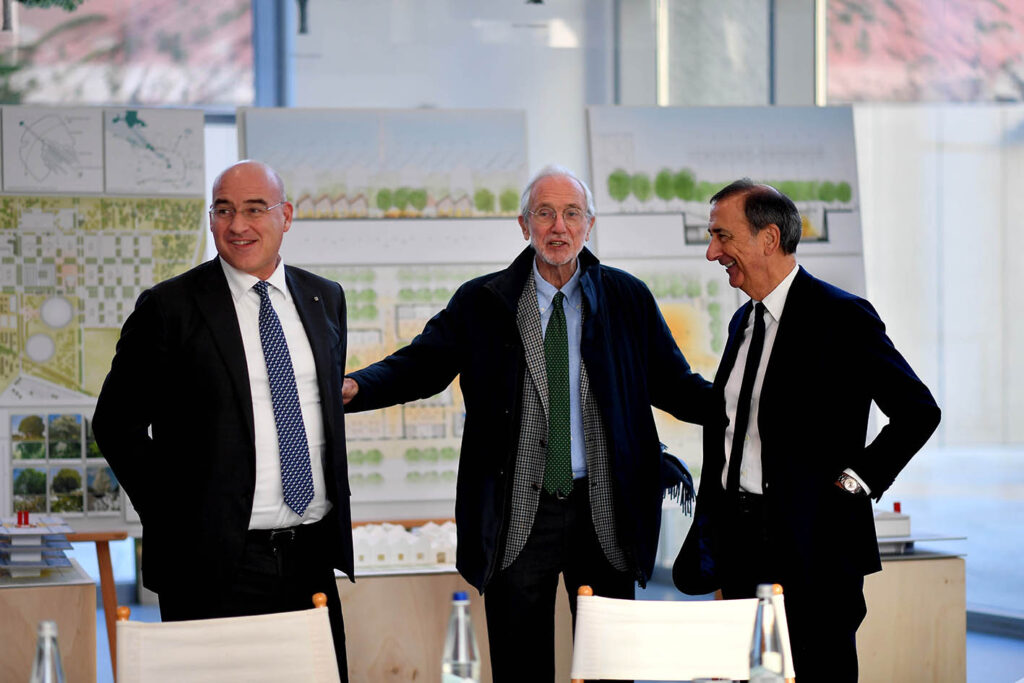
Open, green and transparent”.Renzo Piano has presented the Bovisa-Goccia Masterplan in a meeting at Politecnico di Milano. In attendance were the Rector of the Politecnico Ferruccio Resta, the Councillor for Metropolitan City Development, Youth and Communication of Regione Lombardia, Stefano Bolognini and the Mayor of the city of Milan Giuseppe Sala.
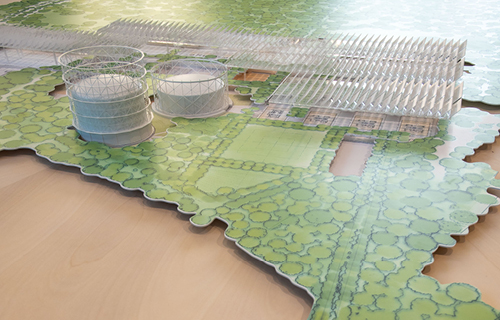
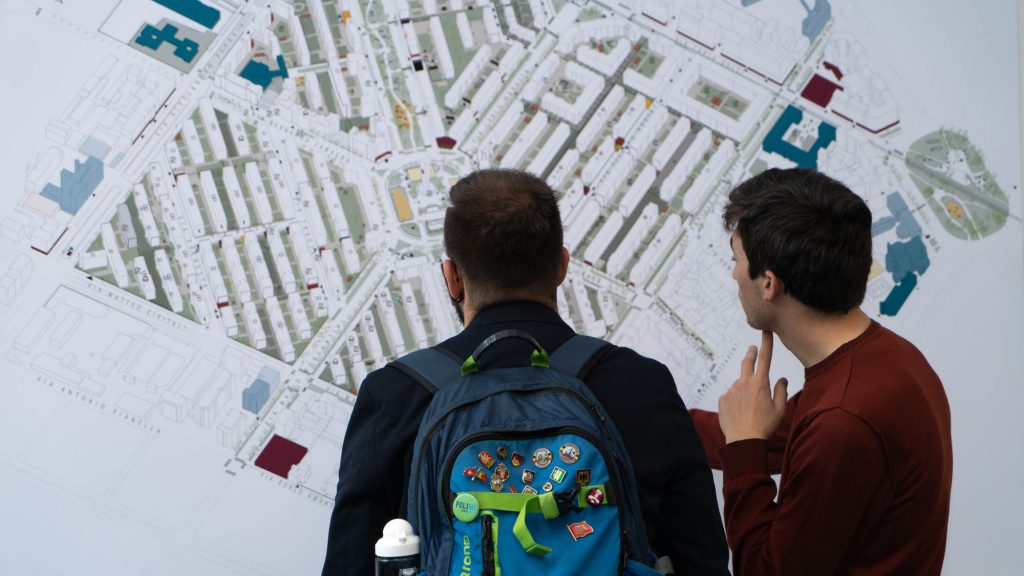
The project in question covers a total surface area of 32 hectares , part owned by the Municipality of Milan (23.4 hectares) and part by Politecnico di Milano (9.1 hectares). The idea is to expand the campus, creating a science park/innovation hub and areas set aside for services to students, businesses and citizens. Works will get under way in late 2023 , and be completed in 2026.
The project by RPBW studio with Renzo Piano was made possible by a major donation from the ION Foundation to the Politecnico di Milano. The project follows on from and completes that planned by the Politecnico for the gasometer area, aiming to connect Goccia to the city and the surrounding region through mobility initiatives. This project, the subject of the recent memorandum of understanding signed by the Ministry for Sustainable Infrastructure and mobility, Ministry for Universitiy and Research, Lombardy Region, Municipality of Milan, Politecnico di Milano, FNM and Rete Ferroviaria Italiana, is about to enter the building phase.
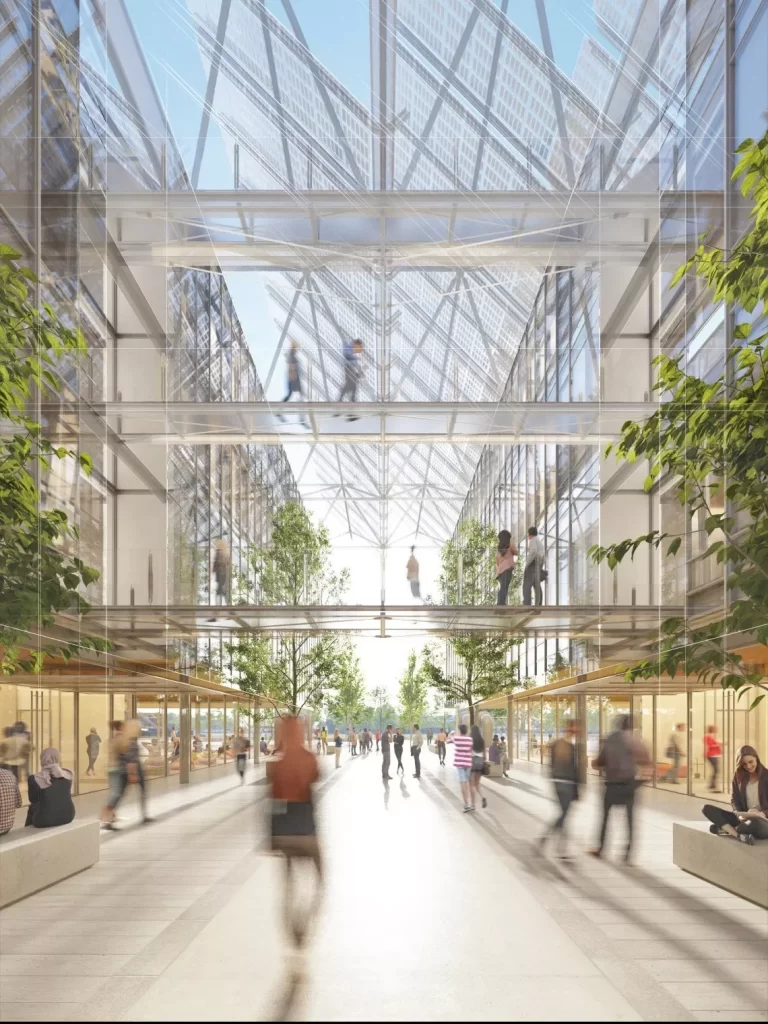
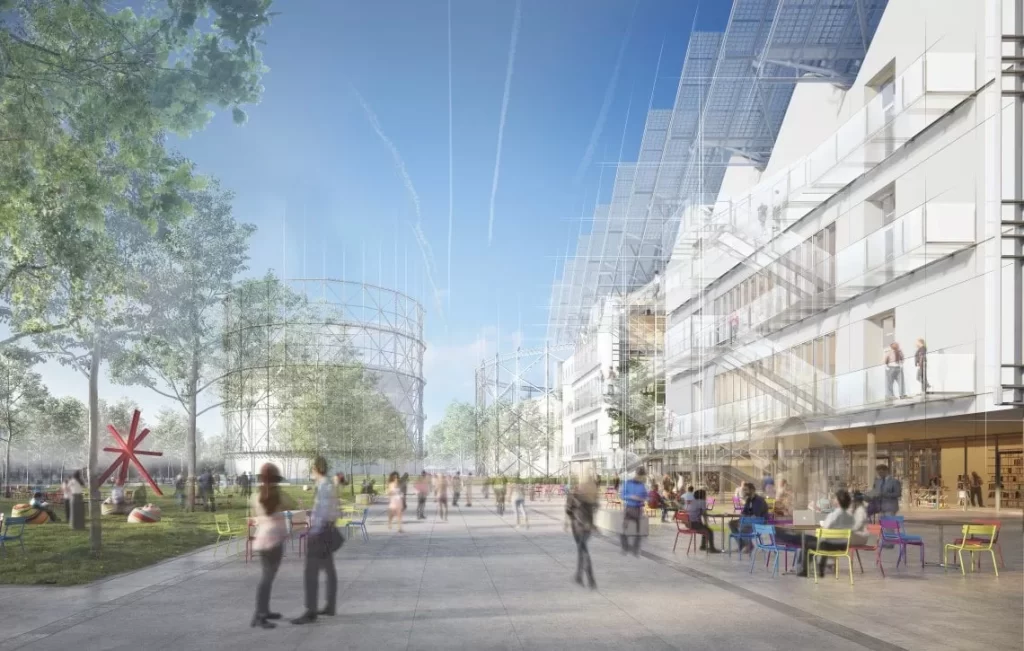
Works include the construction of twenty new 4-storey buildings , rising to a height of 16 metres, covering an area of about 105,000 sq.m, plus the Scuole Civiche, connected by tree-lined pedestrian pathways and offering a variety of facilities that will make it a lively place to be. A large cycle-pedestrian path to the south, winding through the gasometers and the Lambruschini campus, will link up the 2 stations Bovisa and Villapizzone, which will be refurbished and interconnected to the whole Campus.
In addition to the Politecnico’s classrooms and labs, there will be student residence halls, and an area dedicated to startup, conforming to the highest international standards regarding links between the university and the business world: 35,000 sq.m of space set aside for deep tech innovation and the challenges of digital evolution and sustainability. The aim is to create a campus that is accessible, open to the city and primed for the exchange of ideas and functions.
Buildings will be erected on land located between the gasometers and the large power station, structures that are an example of industrial archaeology as well as an unmovable boundary, on the other side of which 24 hectares of woodland will be preserved, developed and opened up to citizens. Buildings will cover the same surface area as that previously occupied by the factories. In their place will be “white factories”, places of knowledge and know-how that respect local traditions and history.
The project, that also seeks to attain energy independence and eliminate CO2 emissions, involves the construction of 3 buildings for classrooms, 5 buildings for startups, one underground hall for conferences, 2 residence halls for about 500 students and the revamping of an old industrial building offering catering services to Campus guests.
Large trees will be planted and grow around the new buildings to create a connective tissue. The ground floors of campus buildings will be completely transparent, so that users can be able to enjoy an immersive experience in nature.
Credits: Urban File
Renzo Piano explains:
The essence of the project was already etched into the place.
The idea was already there; it was just a question of time before it hatched.
There is the woodland and its majestic trees.
Then there are traces of the factory on the ground, the old buildings that preserve the memory of these places and their DNA.
"Today is a special day for Politecnico di Milano. It is an important step in the history of our University”. – commented the Rector, Ferruccio Resta – - Working alongside Renzo Piano, we have shared an idea that is now taking shape within a broader urban design. It is the fruit of an understanding between the public and the private sectors. This flagship project represents a new way of interpreting university life and the city of Milan in the future, meeting major urban, technological and social challenges. It will be a laboratory, a place for exchanging ideas and for innovation, for the city and for youngsters, working to attain the critical mass that is vital for competing internationally.”
"Regione Lombardia - says Stefano Bolognini, Councillor for Metropolitan City Development, Youth and Communication of Regione Lombardia – fully and strongly supports the Politecnico di Milano in this innovative and cutting-edge development and regeneration project. I am certain that, also thanks to the 55 million € of total investment by the Region, the whole area of the Bovisa district involved in the renovation works will be able to become a model throughout Italy, combining research, innovation, sustainability and new living spaces for the students who, in increasing numbers, want and will want to come to study at the Politecnico. Lastly, I would like to emphasize the institutional collaboration that has made it possible to achieve a result of extraordinary importance not only for Milan and Lombardy, but for the entire country, succeeding in synthesizing to realize an exceptional project for the University, for businesses and for the city."
“The plan to develop the Bovisa-Goccia area presented today perfectly represents the policies being pursued by our administration: development of the local district based on the 15-minute city concept, focus on the environment, collaboration with the university in the sphere of research and innovation and new residence halls for students, in their role as protagonists of change. These are all priority goals and actions in our agenda – commented Giuseppe Sala, Sindaco di Milano –. I wish to thank Renzo Piano and the Politecnico for giving, through this urban project, concrete form to the vision and idea of the city we want to create for the future".
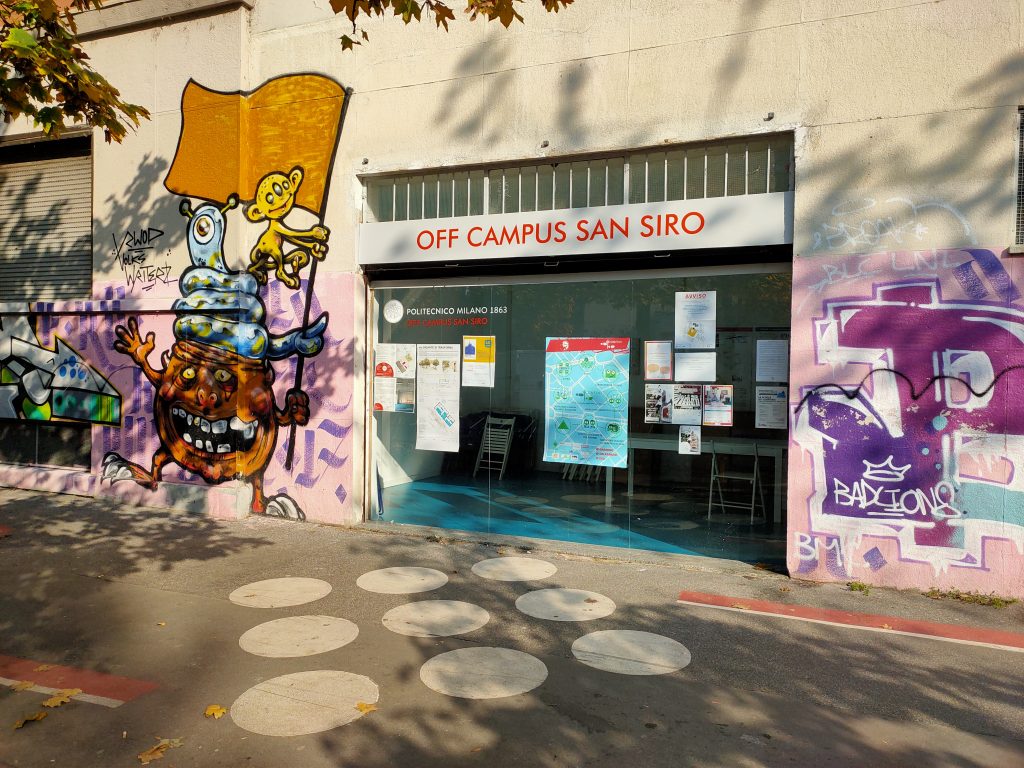
The project of the Politecnico di Milano OFF CAMPUS will be among the recipients of the Ambrogino d'Oro 2022, the civic honour awarded each year by Municipality of Milan on 7 December, St. Ambrose's Day.
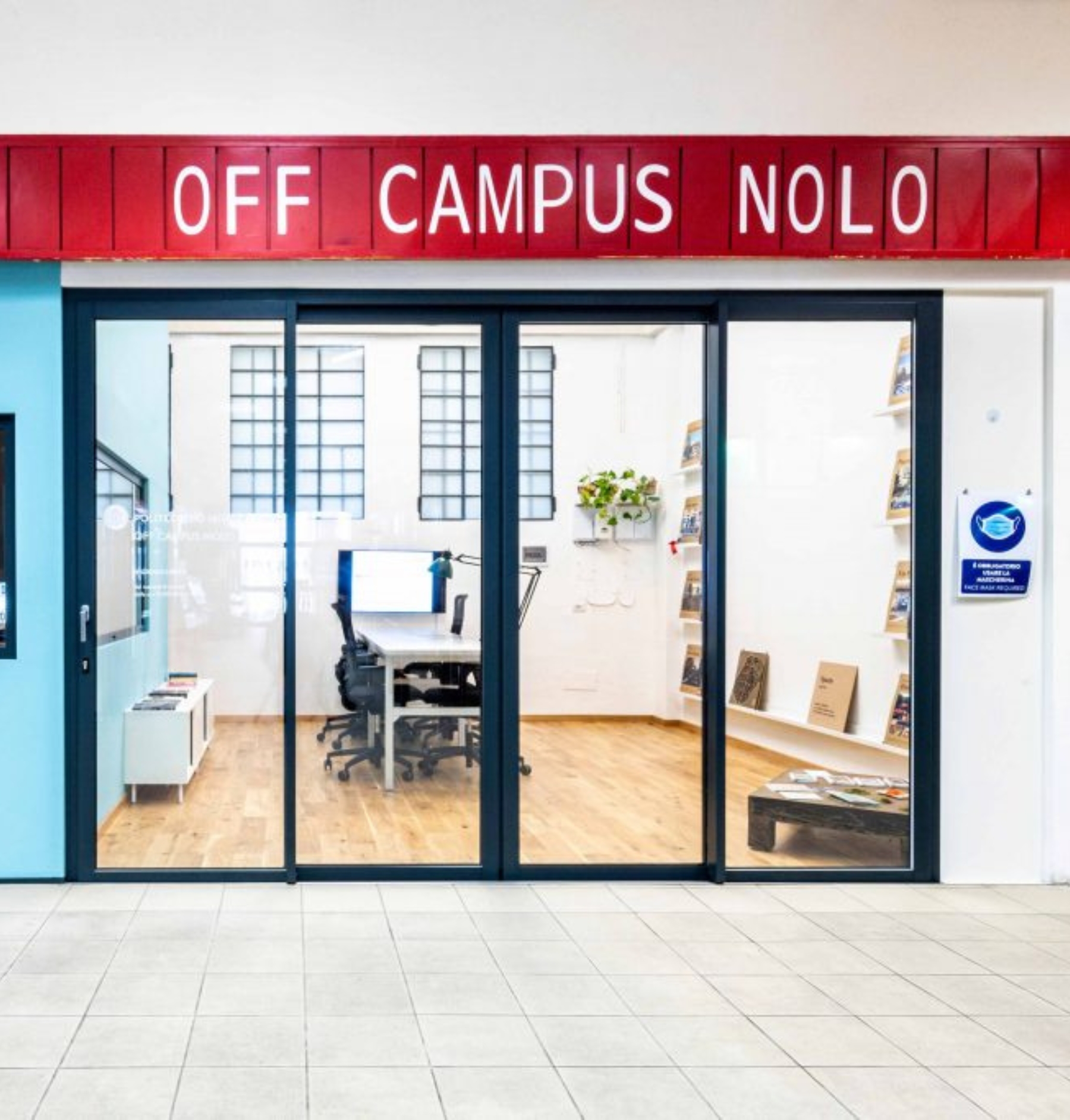
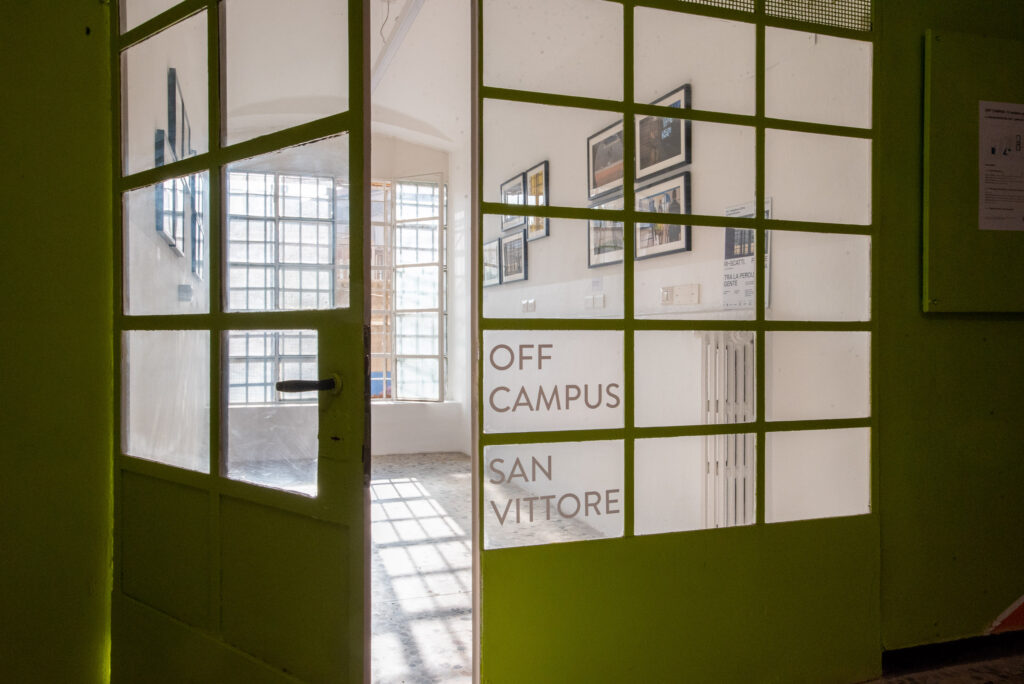
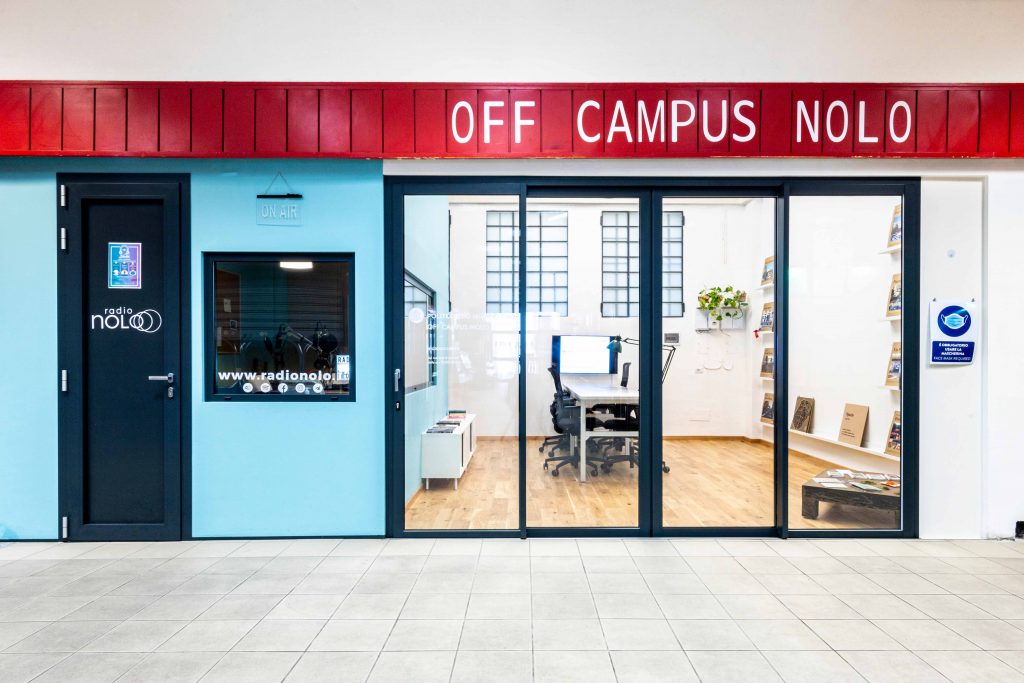
OFF CAMPUS | Il Cantiere per le Periferie is an initiative promoted by Polisocial, the social engagement and responsibility programme of the Politecnico di Milano, with the aim of strengthening the presence of Politecnico in the city of Milan. The first Off Campus space was opened in the San Siro neighbourhood in April 2019, followed by new spaces in the NoLo district (September 2020) and in the San Vittore detention centre (October 2022). A fourth Off Campus space will soon settle at Cascina Nosedo, a former farmhouse.
In the Off Campus spaces, teachers, researchers and students of the Politecnico can develop innovative teaching ideas, responsible research and co-design activities capable of generating a positive impact on the community. The underlying concept is that of a more engaged University, targeting social challenges and closer to neighbourhoods and communities.
First in Italy among academic initiatives of this kind, the Polisocial Award aims to support and initiate responsible research projects with high social impact, while also supporting them with a view to sustainability over time. The initiative also aims to provide space for young researchers and cultivate an ethical approach to academic work that enhances the social impact of polytechnic expertise.
Among the initiatives promoted by Polisocial is the Polisocial Award, an annual competition funded by donations from the 5 per mille, which has been supporting and initiating responsible, high social impact research projects since 2012, also supporting them with a view to sustainability over time. The initiative also aims to provide space for young researchers and cultivate an ethical approach to academic work that enhances the social impact of polytechnic expertise.
“‘The last editorial for MAP as rector ... a farewell that, I confess, brings with it many memories. I think back to the emotion I felt on election day, in that cold November of 2016. The same that accompanied me two months later when this ‘adventure’ officially began. One of the most fantastic of my life!’
Thus begins prof. Ferruccio Resta, outgoing rector of the Politecnico di Milano, recounting his journey at the helm of the Politecnico: from ‘Breakfasts in the Laboratory’ (because, he writes, ‘our soul lies in research’) to responsibility towards the many boys and girls of our University, ‘even greater during the pandemic’.
‘In the emergency, I faced the appointment as President of the CRUI: reading, after a few hours by train on the Rome-Milan line, the tragic news arriving from Wuhan. A real baptism of fire for me. Today, after three years of living on the edge, I admit that I am proud of how the university system has reacted to the pandemic. It has proven to be the backbone of the country’.
In the editorial, Resta traces some of the challenges that marked his mandate. ‘Keeping on a straight course was not easy, but possible thanks to a clear and shared vision of where we wanted to go. The mission outlined in the Strategic Plan has indicated the course, that of a ‘European Leading University’, with an eye open to international comparison, capable of interpreting change’.
He concludes by quoting Henry Ford: ‘Coming together is a beginning, staying together is progress, working together is success. And you, dear Alumni, have always been there for me and for the polytechnic community.
Studying architecture is like studying all the sciences, commerce and the arts at the same time, we read on theknowledgereview.com. This is the approach of Rajendra Kumar, Alumnus Architecture 2008, selected from among the “Most Admired Education Influencers in India, 2022”.
"I firmly believe in the robust role of industry and academia, which complement each other," comments Kumar. "I always believe in the need for continued efforts to bridge the gap in the practicalities of the Indian education curriculum."
Courtesy of Rajendra Kumar
Rajendra Kumar is an architect based in New Delhi, India. He is also an academic, urban planner, researcher and writer. Returning to India after graduating from the Poli, he opened an architecture studio and worked in Europe and Asia. He held the position of Head of the School of Architecture, Noida International University (2018-2021), focusing on the issues of environmental and urban sustainability. He received the ‘Indian Young Achievers Award’ in 2009, and was recognized as ‘Global Educational Influencer 2020’. He is a member of the International Society of City and Regional Planners (ISOCARP), Netherlands, and of the Council of Tall Buildings and Urban Habitat, USA.
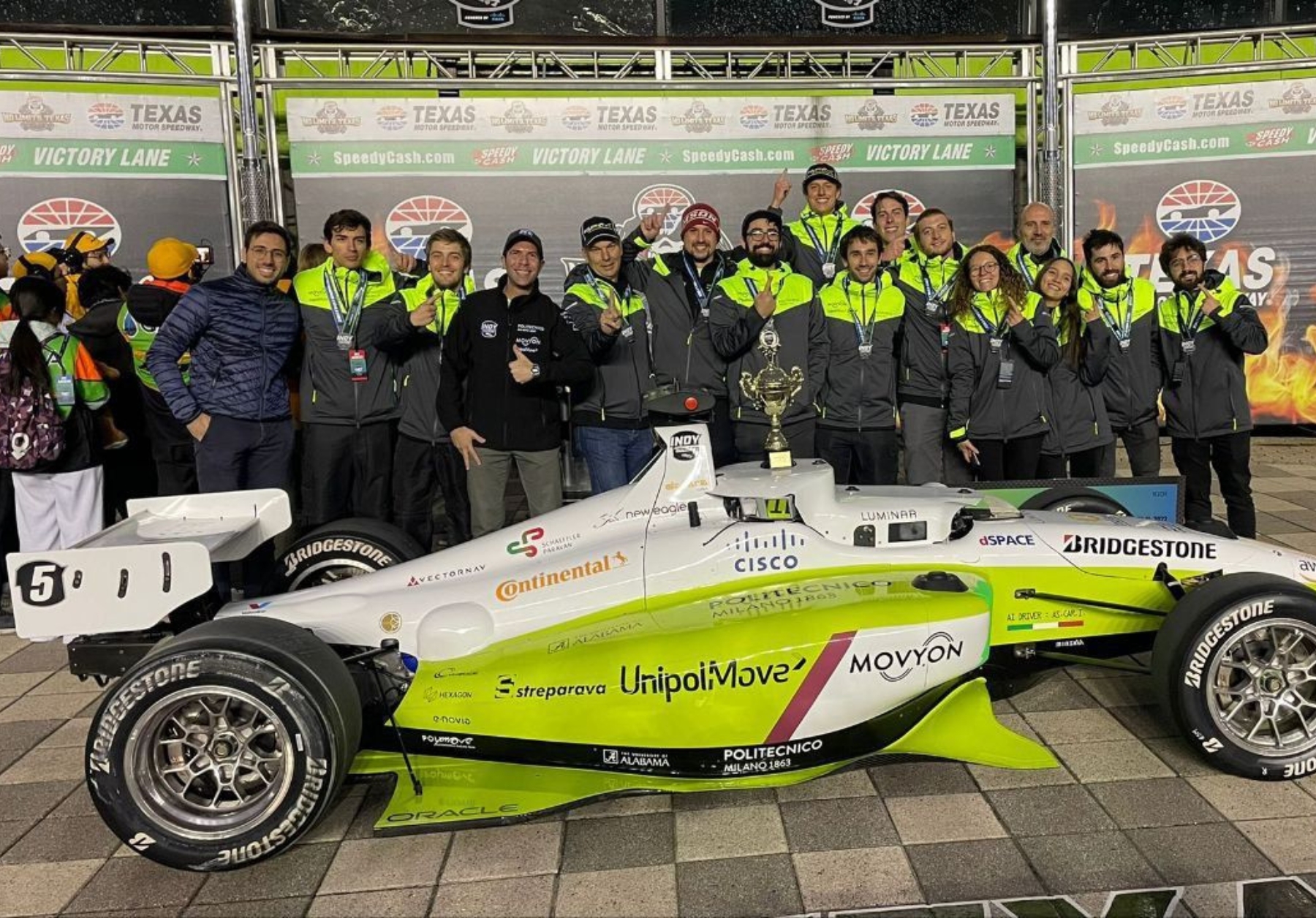
A new important achievement for PoliMOVE Autonomous Racing Teamon Friday 11 November the team of the Politecnico di Milano got the first place in theIndy Autonomous Challengeat Texas Motor Speedway. The IAC is the competition in which university teams from around the world compete to advance technology of fully autonomous vehicles.
9 teams competed with their Dallara AV-21 autonomous racecars, guided by an artificial intelligence software developed by each team. MinerVa, the Politecnico car, was the fastest.
PoliMOVE is part of the Politecnico research group mOve, led by Professor Sergio Savaresi, which studies automatic controls in all types of land vehicles: from electric bicycles to cars and even tractors.
This website uses cookies. This helps us analyse data and ensuring that we give you the best experience on our website. More information is available on our Privacy policy